Healthy lunch meal prep for the work week can often feel like a daunting task, especially when trying to maintain a balanced and nutritious diet. For many, the midday meal is a crucial opportunity to refuel and stay energized, yet it's easy to fall into the trap of grabbing quick, less healthy options when time is tight. This is where the art of meal prepping comes into play, offering a practical solution for health-conscious individuals who want to prioritize nutrition without sacrificing convenience.
Meal prepping for lunch not only saves time during busy workdays but also ensures that every bite contributes to overall well-being. By dedicating a small portion of time to preparing meals in advance, individuals can enjoy a variety of flavors and nutrients that keep them satisfied and focused. This guide explores creative and healthy lunch meal prep ideas tailored for the work week, providing inspiration to make nutritious eating an effortless part of any routine.
Before diving into specific recipes and strategies, it's helpful to understand the core benefits and considerations of meal prepping. Here are some key points to keep in mind:
- Meal prepping saves time by reducing daily cooking and decision-making stress.
- It helps control portion sizes, supporting balanced eating habits.
- Preparing meals in bulk often reduces food costs compared to daily takeout.
- Customizable recipes allow for variety, preventing boredom with meals.
- Using fresh, whole ingredients ensures higher nutritional value in every dish.
- Proper storage techniques keep meals safe and tasty throughout the week.
- Planning ahead encourages mindful eating and reduces impulse snacking.
Why Meal Prep for Lunch Matters
For those with packed schedules, lunch can easily become an afterthought, leading to choices that may not align with nutritional goals. Nutrition experts recommend preparing meals in advance as a way to maintain consistency in eating habits. By having a ready-to-go lunch, individuals are less likely to opt for processed or high-calorie convenience foods. This practice not only supports a healthier lifestyle but also fosters a sense of control over what goes into the body.
Additionally, meal prepping allows for better alignment with personal preferences and dietary needs. Whether someone prefers plant-based options or leans toward protein-packed meals, prepping ensures that lunches are tailored to individual tastes. Health-conscious cooks find that dedicating a few hours on a rest day to prepare meals can transform the work week, turning lunch into a moment of nourishment rather than a rushed chore.
Essential Tips for Successful Lunch Meal Prep
Getting started with meal prepping requires a bit of planning, but the process becomes second nature with practice. Begin by investing in quality storage containers that are leak-proof and microwave-safe to keep meals fresh and easy to reheat. Portioning meals into single servings helps with grab-and-go convenience, ensuring that there's no need to measure out food during a busy workday.
As an Amazon Associate, we earn from qualifying purchases.
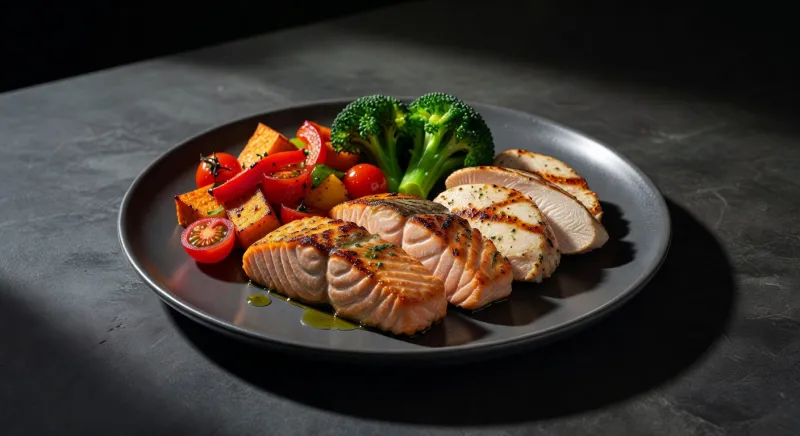
Another key tip is to focus on balance when crafting meals. Nutrition experts suggest including a mix of lean proteins, complex carbohydrates, and healthy fats in every lunch to sustain energy levels. Incorporating a variety of colorful vegetables adds essential vitamins and minerals while keeping meals visually appealing. Finally, consider batch-cooking staple ingredients like grains or proteins to mix and match throughout the week, reducing repetitive prep work.
As an Amazon Associate, we earn from qualifying purchases.
Healthy Lunch Meal Prep Recipes to Try
One of the joys of meal prepping is experimenting with recipes that are both nutritious and satisfying. A simple yet flavorful option is a quinoa and roasted vegetable bowl. Start by cooking a batch of quinoa, then roast a medley of seasonal vegetables with a drizzle of olive oil and herbs. Layer the quinoa and veggies in containers, adding a protein like grilled chicken or chickpeas for a complete meal. A dollop of hummus or a sprinkle of nuts can elevate the dish with extra texture and flavor.
Another idea is a turkey and avocado wrap using whole-grain tortillas. Spread mashed avocado on the tortilla, then layer with sliced turkey, spinach, and shredded carrots. Roll tightly and slice into portions for easy packing. For a plant-based alternative, swap the turkey for marinated tofu or tempeh. These wraps are portable and can be paired with a side of fresh fruit for a well-rounded lunch.
For those who enjoy warm meals, consider preparing a hearty lentil and vegetable soup. Cook a large pot of soup with lentils, carrots, celery, and spinach, seasoning with garlic and spices. Portion the soup into containers and pair with a slice of whole-grain bread or a small side salad. This comforting option reheats well and provides a nutrient-dense meal that feels like a treat amidst a busy day. For more recipe inspiration, explore the collection at Healthy Recipes.
Balancing Nutrition in Prepped Lunches
A well-balanced lunch is essential for maintaining energy and focus throughout the day. Research shows that meals combining protein, fiber, and healthy fats help sustain satiety, reducing the likelihood of mid-afternoon cravings. When prepping lunches, aim to include a source of lean protein such as eggs, beans, or fish to support muscle repair and growth. Pair this with complex carbohydrates like brown rice, sweet potatoes, or whole-grain pasta for lasting energy.
Don't overlook the importance of healthy fats, which can come from sources like avocados, nuts, or olive oil. These fats contribute to brain health and help the body absorb fat-soluble vitamins. Finally, load up on vegetables to boost fiber intake and add a variety of micronutrients. For deeper insights into crafting balanced meals, check out the resources at Lunch & Dinner. Additionally, trusted external sources like Nutrition.gov offer valuable guidance on portion sizes and nutrient needs.
How to Keep Prepped Lunches Fresh and Safe
Proper storage is critical to maintaining the quality and safety of prepped meals. Always allow cooked food to cool completely before sealing it in containers to prevent condensation, which can lead to sogginess or bacterial growth. Store meals in the refrigerator at a consistent temperature, and consider freezing portions that won't be eaten within a few days. When reheating, ensure the food reaches an appropriate internal temperature to eliminate any potential risks.
Labeling containers with the meal name and date of preparation can help track freshness and ensure meals are consumed in a timely manner. For ingredients prone to wilting, such as leafy greens, store them separately and add them to the meal just before eating. Following these practices keeps lunches safe and enjoyable throughout the week. For broader food safety tips, resources from World Health Organization provide comprehensive guidelines. For authoritative guidance, refer to the NPS and NPS websites.
Frequently Asked Questions
How long do prepped lunches stay fresh in the fridge?
Prepped lunches typically stay fresh in the refrigerator for about three to five days, depending on the ingredients used. Meals with fresh vegetables or dairy components may have a shorter shelf life compared to those with grains or cooked proteins. To maximize freshness, store meals in airtight containers and keep the refrigerator at a consistent, cool temperature. It's also helpful to consume meals with perishable items earlier in the week. For longer storage, consider freezing portions and thawing them the night before they're needed. Always check for signs of spoilage, such as off odors or textures, before eating.
What are the best containers for meal prepping?
Choosing the right containers is essential for successful meal prepping. Glass containers with snap-on lids are a popular choice because they are durable, microwave-safe, and don't retain odors. BPA-free plastic containers are another lightweight option, ideal for portability, as long as they are labeled as safe for food storage. Look for containers with compartments to keep ingredients separate if needed. Health-conscious cooks find that investing in a set of uniform containers makes stacking and organizing in the fridge much easier. Ensure the containers are leak-proof to avoid spills during transport.
Can meal prepped lunches be frozen?
Yes, many meal prepped lunches can be frozen to extend their shelf life. Dishes like soups, stews, and grain-based meals often freeze well, maintaining their texture and flavor after thawing. However, items like salads with fresh greens or dishes with high water content, such as cucumbers, may not freeze as successfully due to texture changes. When freezing, use freezer-safe containers or bags and leave some space at the top for expansion. Label each container with the date and contents to keep track of storage time. Thaw meals in the refrigerator overnight for best results before reheating.
How can variety be added to meal prepped lunches?
Adding variety to meal prepped lunches prevents boredom and keeps mealtime exciting. Start by rotating different proteins, grains, and vegetables each week to create new flavor combinations. Experiment with spices, herbs, and sauces to transform staple ingredients into unique dishes. Health-conscious cooks find that preparing a mix of hot and cold meals, such as soups alongside salads, adds diversity to their weekly menu. Incorporate international flavors by trying recipes inspired by various cuisines. A helpful resource for creative ideas is a cookbook like Dinner Illustrated, which offers diverse meal inspiration.
What are some quick protein options for lunch meal prep?
Incorporating protein into lunch meal prep is key for a balanced meal, and there are many quick options to choose from. Hard-boiled eggs are a simple, portable choice that can be prepared in bulk. Canned beans, such as chickpeas or black beans, require no cooking and can be rinsed and added to salads or bowls. Pre-cooked rotisserie chicken or turkey slices offer convenience and versatility for wraps or grain bowls. For plant-based options, tofu or tempeh can be marinated and baked in advance. These proteins pair well with a variety of sides, making them ideal for efficient meal planning.
Final Thoughts
Meal prepping for the work week is a game-changer for anyone looking to maintain a healthy and balanced diet amidst a busy schedule. By investing time in planning and preparing lunches, individuals can enjoy nutritious, delicious meals that fuel their day without the stress of last-minute decisions. The ideas and tips shared in this guide offer a starting point for creating a sustainable meal prep routine that aligns with personal tastes and nutritional goals. As a next step, take an hour this weekend to plan and prep a few lunches using one of the recipes mentioned, and experience the difference it makes in the days ahead.