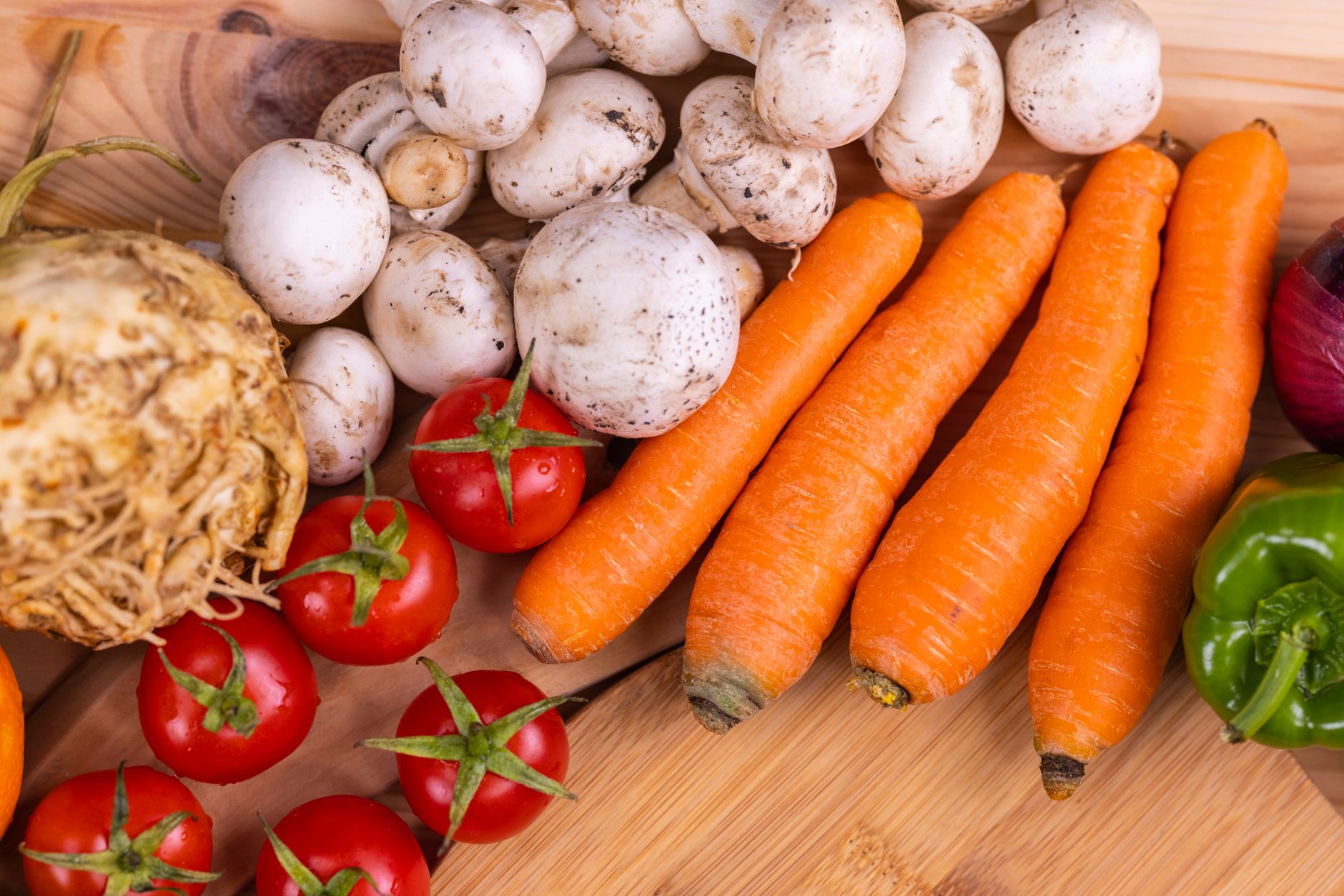
"rewrittenSentence": "For home cooks, food enthusiasts, and health-conscious eaters, vegetables high in fiber are essential for enhancing meals with nutrition." Vegetables high in fiber offer a simple yet powerful solution. They support digestive health, stabilize blood sugar, and promote fullness. This article dives into the best fiber-rich veggies for your kitchen.
- Focus on vegetables high in fiber like broccoli and Brussels sprouts for meals.
- Add artichokes to salads or dips for a fiber boost at home.
- Use peas in soups or stir-fries to increase daily fiber intake.
- Experiment with carrots in raw or cooked dishes for versatility.
- Include spinach in smoothies or sides for easy nutrition.
- Swap regular sides with fiber-rich veggies for better health.
- Check portions to meet daily fiber goals without overdoing it.
Why Fiber Matters in Your Diet
Fiber is a crucial nutrient that many overlook in daily meals. It aids digestion by keeping things moving smoothly. For health-conscious eaters, this means fewer digestive issues. Fiber also helps maintain a healthy weight by promoting satiety.
Nutrition experts note that fiber can lower cholesterol levels. Soluble fiber, found in many veggies, binds to cholesterol in the gut. This reduces absorption into the bloodstream. Home cooks can use this to craft heart-healthy dishes.
Another benefit is blood sugar control, vital for balanced energy. Fiber slows sugar absorption, preventing spikes and crashes. Food enthusiasts can experiment with fiber-rich ingredients for stable energy. This is ideal for long cooking sessions or family meals.
Lastly, fiber supports gut health by feeding beneficial bacteria. A thriving gut microbiome boosts immunity and mood. Health professionals suggest varied veggies for diverse fiber types. Explore more on this at Nutrition.gov.
Top Vegetables High in Fiber to Include
When seeking vegetables high in fiber, certain picks stand out. Broccoli is a powerhouse with about 5 grams per cup. It's perfect for steaming or roasting at home. Health-conscious eaters love its versatility in meals.

As an Amazon Associate, we earn from qualifying purchases.
Brussels sprouts offer around 4 grams of fiber per cup. Their nutty flavor shines when roasted with olive oil. Home cooks can pair them with lean proteins. This makes a balanced, filling dish for any night.
Artichokes top the list with nearly 7 grams per medium piece. They work well in dips or as a side. Food enthusiasts can impress guests with artichoke recipes. It's a unique way to boost fiber intake.
Peas, with about 9 grams per cup, are another great choice. Add them to soups or pasta for extra nutrition. Health professionals praise their protein content too. Find more ideas in our healthy recipes section.
How to Cook Fiber-Rich Vegetables
Cooking vegetables high in fiber doesn't have to be complex. Steaming retains nutrients and keeps fiber intact. Home cooks can steam broccoli or peas in minutes. Use a simple steamer basket for best results.
Roasting is another tasty method for fiber-packed veggies. Brussels sprouts caramelize beautifully in the oven. Toss them with salt and pepper for flavor. This appeals to food enthusiasts seeking bold tastes.
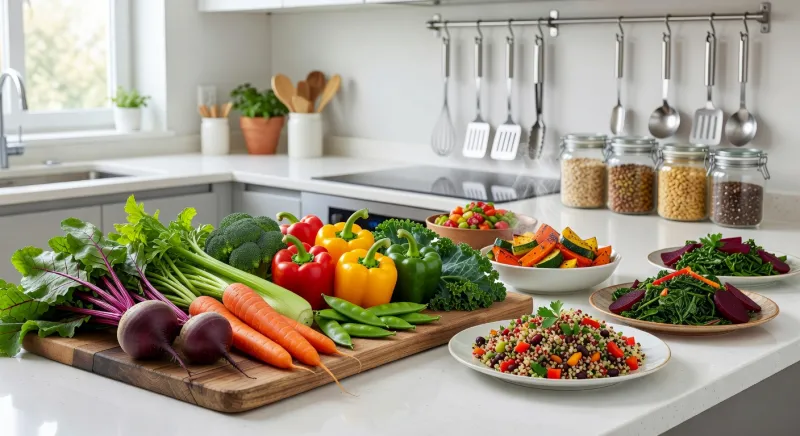
Sautéing spinach or kale preserves fiber while adding variety. Use garlic and olive oil for a quick side. Health-conscious eaters appreciate the low-calorie prep. It fits well into balanced meal plans.
For raw options, carrots or spinach work in salads or snacks. Pair them with hummus for added protein. Nutrition experts endorse raw veggies for maximum fiber. Check our ingredients guide for more tips.
Health Benefits of Fiber from Vegetables
Vegetables high in fiber provide numerous health perks. They reduce the risk of heart disease significantly. Soluble fiber lowers bad cholesterol over time. This is key for health-conscious eaters planning diets.
Digestive health improves with regular fiber intake. Insoluble fiber adds bulk to stool, easing passage. Home cooks can prevent discomfort with veggie-rich meals. Simple swaps make a big difference daily.
Fiber also aids in weight management by curbing hunger. It slows digestion, keeping you fuller longer. Food enthusiasts can craft satisfying, low-calorie dishes. This aligns with mindful eating goals.
Lastly, fiber supports stable blood sugar levels. It prevents rapid glucose spikes after meals. Health professionals highlight this for diabetes prevention. Learn more from the World Health Organization.
Incorporating Fiber-Rich Veggies into Meals
Adding vegetables high in fiber to meals is easier than thought. Start breakfast with spinach in omelets or smoothies. Home cooks can blend it with fruits for taste. This sets a healthy tone for the day.
For lunch, toss peas or carrots into salads. Their crunch and fiber keep meals filling. Health-conscious eaters benefit from portable options. Pack these for quick, nutritious bites at work.
Dinner offers chances to roast Brussels sprouts or broccoli. Pair them with whole grains for balance. Food enthusiasts can experiment with spices here. It elevates simple veggies into gourmet sides.
Snacks can include raw fiber-rich picks like carrots. Dip them in yogurt or hummus for flavor. Nutrition experts suggest small portions for snacking. This prevents overeating while boosting daily fiber.
Common Mistakes to Avoid with Fiber Intake
While vegetables high in fiber are beneficial, mistakes happen. Increasing fiber too quickly can cause bloating. Health professionals advise gradual additions to diets. Start with small portions and build up slowly.
Another error is not drinking enough water with fiber. Fiber needs hydration to work effectively. Home cooks should pair veggie meals with fluids. This prevents discomfort during digestion.
Overcooking veggies can reduce their fiber content. Boiling for too long strips away nutrients. Food enthusiasts should aim for light cooking methods. Steaming or sautéing keeps benefits intact.
Lastly, relying on one type of vegetable limits variety. Diverse fiber sources ensure balanced nutrition. Nutrition experts recommend rotating veggies weekly. Mix broccoli, peas, and artichokes for best results. For authoritative guidance, refer to the NPS and NPS websites.
Frequently Asked Questions
What are the best vegetables high in fiber for digestion?
Finding vegetables high in fiber for digestion is a common goal. Broccoli, with about 5 grams per cup, tops the list. It's easy to steam or roast for meals. Peas also help with 9 grams per cup. Add them to soups for comfort. Health experts suggest pairing with water for best results.
How can I add more fiber-rich vegetables to my diet?
Boosting intake of vegetables high in fiber is simple. Start by adding spinach to breakfast smoothies. Toss carrots into lunch salads for crunch. Roast Brussels sprouts for dinner sides. Snack on raw veggies with dips. Nutrition experts advise small, consistent additions daily.
Can fiber from veggies help with weight loss?
Fiber from certain veggies indeed supports weight loss. It promotes fullness, reducing overeating risks. Soluble types slow digestion for lasting satiety. Home cooks can use these in low-calorie meals. Rotate different options for variety. Health professionals endorse this strategy for balance.
Are there side effects to eating too many fiber-rich veggies?
Eating too many of these nutrient-packed options can cause issues. Bloating or gas may occur if increased suddenly. Start slowly to let the body adjust. Drink plenty of water to aid digestion. Nutrition experts warn against overdoing portions. Gradual intake prevents most discomforts.
How much fiber do I need daily from vegetables?
Daily fiber needs vary by age and gender. Adults generally require 21-38 grams total. Veggies can contribute a significant portion. Aim for 2-3 cups of varied types. Mix raw and cooked for diversity. Health professionals suggest tracking intake for balance.
Final Thoughts
Vegetables high in fiber are a cornerstone of healthy eating. They offer benefits from digestion to weight control. Home cooks, food enthusiasts, and health-conscious eaters can all gain from them. Simple additions like broccoli or peas transform meals.
Experiment with cooking methods to keep things exciting. Avoid common pitfalls like overcooking or sudden increases. Explore more ideas in our nutrition benefits section. Small steps lead to lasting health improvements.
Take action today by picking one fiber-rich veggie to try. Add it to your next meal or snack. Your body will thank you for the nutritional boost.