
"sentence": "Superfoods nutritional benefits have earned a well-deserved spotlight in the world of healthy cooking for their exceptional nutrient density and versatility in the kitchen." These powerhouse ingredients are celebrated for packing a punch of vitamins, minerals, antioxidants, and other essential compounds that support overall wellness. From vibrant berries to hearty greens, superfoods offer endless opportunities for health-conscious cooks to elevate their meals with both flavor and nutrition.
For those looking to enhance their culinary creations, understanding the benefits of superfoods can transform everyday cooking into a nourishing experience. Nutrition experts recommend incorporating these ingredients not just for their health-boosting properties, but also for the creativity they inspire in crafting wholesome dishes. Whether sprinkled into a morning smoothie or stirred into a savory dinner, superfoods can seamlessly blend into a variety of recipes.
The appeal of superfoods lies in their ability to provide a concentrated source of nutrients while adding depth to flavors and textures. Health-conscious cooks find that experimenting with these ingredients opens up a world of possibilities, making meals both delicious and beneficial. This guide dives into the wonders of superfoods, highlighting their nutritional perks and offering practical tips for making them a staple in the kitchen.
- Superfoods are nutrient-dense foods that offer a high concentration of vitamins, minerals, and antioxidants.
- They can easily be incorporated into daily meals, from breakfast to dinner, for added nutritional value.
- Many superfoods are versatile, lending themselves to sweet and savory dishes alike.
- Research shows that a diet rich in diverse superfoods may support overall well-being through balanced nutrition.
- Using superfoods in cooking encourages creativity, inspiring new recipes and flavor combinations.
- These ingredients are often accessible, with options available in fresh, frozen, or dried forms.
- Health-conscious cooks find that superfoods can enhance both the taste and visual appeal of meals.
What Are Superfoods?
The term 'superfood' is often used to describe foods that are exceptionally rich in nutrients and beneficial compounds. While not a scientific classification, it highlights ingredients that provide a significant amount of vitamins, minerals, fiber, and antioxidants in relatively small servings. Nutrition experts often point to foods like kale, quinoa, blueberries, and chia seeds as prime examples of superfoods due to their dense nutritional profiles.
Superfoods come from a variety of food groups, including fruits, vegetables, grains, seeds, and even certain types of fish. What sets them apart is their ability to deliver multiple health-supporting nutrients in one package. For instance, a single handful of berries might offer antioxidants, fiber, and essential vitamins, making them a convenient and powerful addition to any meal. Health-conscious cooks appreciate how these foods can be used in countless ways to boost the nutritional content of their dishes.
Understanding the concept of superfoods is the first step to incorporating them into everyday cooking. They are not exotic or unattainable; many are likely already sitting in kitchen pantries or refrigerators. By recognizing the value of these ingredients, anyone can make informed choices to enrich their diet with vibrant, nutrient-packed options. For more insights on ingredients, explore the Ingredients Guide for detailed breakdowns of various foods.
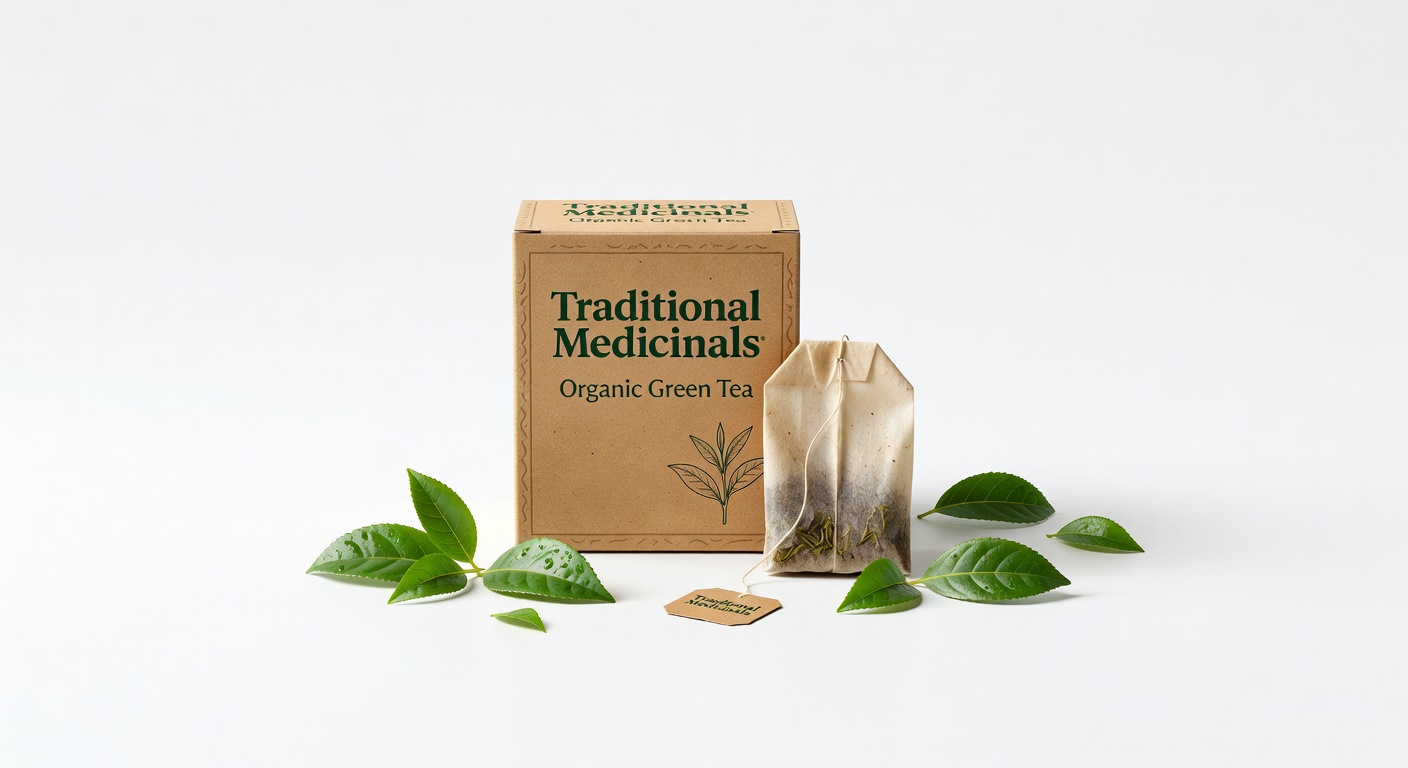
As an Amazon Associate, we earn from qualifying purchases.
Nutritional Benefits of Popular Superfoods
Superfoods are celebrated for their wide array of nutritional benefits, which can enhance meals with minimal effort. Take blueberries, for example, often dubbed a superfood for their high levels of antioxidants, particularly anthocyanins, which give them their deep color. Research shows that these compounds play a role in supporting cellular health, while the fruit also provides fiber and vitamin C. Adding a handful to a breakfast bowl or dessert can elevate both taste and nutrition.
As an Amazon Associate, we earn from qualifying purchases.
Leafy greens like spinach and kale are another cornerstone of superfood lists. These vegetables are loaded with vitamins A, C, and K, as well as minerals like iron and calcium. They also offer fiber, which supports digestive health. Health-conscious cooks find that tossing these greens into salads, soups, or stir-fries is an easy way to increase the nutrient density of a meal without sacrificing flavor.
Seeds such as chia and flax are small but mighty, delivering omega-3 fatty acids, fiber, and protein in tiny packages. Nutrition experts recommend sprinkling them over oatmeal, blending them into smoothies, or using them as a binding agent in baking. Similarly, nuts like almonds and walnuts provide healthy fats, protein, and vitamin E, making them a satisfying addition to snacks or main dishes. Each of these superfoods brings unique benefits to the table, encouraging a diverse and balanced approach to eating.
How to Incorporate Superfoods into Everyday Meals
One of the greatest advantages of superfoods is their adaptability in the kitchen, making them suitable for breakfast, lunch, dinner, and even snacks. Health-conscious cooks find that starting the day with a superfood-packed smoothie is a quick and delicious option. Blending spinach, berries, a spoonful of chia seeds, and a banana creates a nutrient-rich drink that fuels the body with energy and essential vitamins.
For lunch or dinner, superfoods like quinoa can serve as a hearty base for grain bowls or salads. Quinoa is a complete protein, meaning it contains all essential amino acids, and it also offers fiber and iron. Pairing it with roasted sweet potatoes—another superfood rich in vitamin A and fiber—and a drizzle of olive oil creates a satisfying and nourishing meal. Nutrition experts recommend experimenting with different combinations to keep meals exciting and varied.
Snacks are another opportunity to sneak in superfoods. A small handful of nuts or a piece of dark chocolate, which contains antioxidants like flavonoids, can curb cravings while providing nutritional benefits. Even simple swaps, such as using avocado instead of butter on toast, can introduce healthy fats and vitamins into a daily routine. For more meal inspiration, check out the collection of Healthy Recipes to discover new ways to use these powerful ingredients.
Shopping and Storing Superfoods for Maximum Freshness
Selecting and storing superfoods properly ensures that their nutritional benefits are preserved for as long as possible. When shopping, health-conscious cooks should look for vibrant colors and firm textures in fresh produce like berries and leafy greens, as these are indicators of freshness. For items like quinoa or chia seeds, purchasing in bulk can be cost-effective, especially if they are stored in airtight containers to maintain quality.
Storage plays a crucial role in retaining the nutrients of superfoods. Nutrition experts recommend keeping delicate items like berries in the refrigerator and consuming them within a few days to avoid spoilage. Leafy greens should be washed and dried thoroughly before being stored in breathable containers to prevent wilting. For longer-term storage, freezing berries or greens can lock in nutrients, making them ready to toss into smoothies or cooked dishes at a moment's notice.
Dry superfoods such as nuts and seeds should be kept in cool, dark places to prevent rancidity, as exposure to heat and light can degrade their healthy fats. Glass jars or resealable bags work well for maintaining freshness. By taking these simple steps, anyone can ensure that their superfood stash remains potent and ready to enhance any meal with minimal waste.
Cooking Tips to Preserve Superfood Nutrients
While superfoods are brimming with nutritional value, the way they are prepared can impact how much of that value is retained. Nutrition experts suggest using gentle cooking methods to preserve sensitive nutrients like vitamin C in greens and berries. Steaming or lightly sautéing spinach or kale, for instance, helps maintain their vitamin content better than boiling, which can cause nutrients to leach into the water.
Another tip is to avoid overcooking vegetables like broccoli or sweet potatoes, as prolonged heat can diminish their antioxidant properties. Health-conscious cooks find that roasting these vegetables at moderate temperatures with a touch of olive oil not only preserves nutrients but also enhances their natural flavors. Pairing superfoods with healthy fats, such as adding avocado or nuts to a salad, can also aid in the absorption of fat-soluble vitamins like A, D, E, and K.
For raw superfoods like berries or seeds, incorporating them into dishes without cooking can maximize their nutritional impact. Sprinkling chia seeds over yogurt or blending berries into a no-cook sauce ensures that their beneficial compounds remain intact. Experimenting with recipes from trusted resources like Nutrition.gov can provide further guidance on preparation techniques that prioritize nutrient retention. For authoritative guidance, refer to the NPS and NPS websites.
Frequently Asked Questions
What exactly qualifies a food as a superfood?
The term 'superfood' is not an official scientific label but is commonly used to describe foods with a high density of nutrients. These foods typically contain significant amounts of vitamins, minerals, antioxidants, or other beneficial compounds in small servings. Nutrition experts often highlight ingredients like berries, leafy greens, and seeds for their exceptional nutritional profiles. While the term is more of a marketing concept, it helps draw attention to foods that can enrich a balanced diet. Health-conscious cooks can use this idea as a guide to prioritize nutrient-rich ingredients in their meals. For broader insights, resources like World Health Organization offer valuable information on balanced nutrition.
Are superfoods expensive to include in daily cooking?
Superfoods don't have to break the bank, as many are quite affordable and widely available. Items like oats, sweet potatoes, and spinach are often budget-friendly and can be bought in bulk or seasonally for even greater savings. Nutrition experts suggest focusing on local or frozen options, which can be just as nutritious as fresh varieties at a lower cost. Health-conscious cooks find that small amounts of pricier superfoods, like chia seeds or nuts, go a long way when used as toppings or mix-ins. Planning meals around these ingredients can help manage expenses. Ultimately, incorporating superfoods is about balance, not extravagance.
Can superfoods be used in baking recipes?
Absolutely, superfoods can add both nutrition and flavor to baked goods. Ingredients like chia seeds or flaxseeds can act as egg substitutes when mixed with water, making them ideal for vegan baking. Nutrition experts note that mashed bananas or avocados can replace butter or oil in recipes, adding moisture along with vitamins and healthy fats. Health-conscious cooks often experiment by adding berries to muffins or quinoa flour to bread for an extra nutrient boost. Even small additions, like a sprinkle of nuts or seeds on top of a loaf, can enhance the final product. Resources like The Flavor Bible can inspire creative pairings in the kitchen.
Do superfoods lose nutrients when cooked?
Some nutrients in superfoods can be affected by cooking, depending on the method and duration. Heat-sensitive vitamins like vitamin C may diminish with prolonged cooking, which is why nutrition experts recommend steaming or lightly sautéing rather than boiling. However, certain nutrients, like lycopene in tomatoes, can become more bioavailable when cooked. Health-conscious cooks can balance raw and cooked preparations to maximize benefits. For example, enjoying berries fresh in a salad and lightly cooking spinach in a stir-fry offers variety. Experimenting with minimal cooking times helps retain as many nutrients as possible.
How can beginners start using superfoods in their meals?
Beginners can start by adding just one or two superfoods to familiar dishes to keep things simple. Nutrition experts suggest tossing a handful of spinach into a pasta dish or blending berries into a morning smoothie for an easy start. Health-conscious cooks find that swapping regular ingredients for superfood alternatives, like using quinoa instead of rice, is a seamless transition. Gradually experimenting with new flavors and textures can build confidence in the kitchen. Keeping a small stock of versatile superfoods like nuts or seeds on hand ensures they're ready to use. Over time, incorporating these ingredients becomes second nature in meal planning.
Final Thoughts
Superfoods offer an incredible opportunity to enhance everyday cooking with their impressive nutritional benefits and diverse flavors. From vibrant fruits and vegetables to hearty grains and seeds, these ingredients empower health-conscious cooks to create meals that are as nourishing as they are delicious. By understanding their value and learning simple ways to incorporate them, anyone can elevate their culinary routine with ease. As a starting point, try adding one superfood to a meal this week—perhaps a sprinkle of chia seeds on yogurt or a handful of spinach in a soup—and notice the difference it makes in both taste and satisfaction.
