Superfoods offer powerful nutrients that support overall wellness. Home cooks can easily add them to meals for better nutrition. Health-conscious eaters often seek ways to boost daily food choices. This guide covers superfoods and how to use them effectively in home kitchens.
- Start with small portions of new superfoods to test tolerance.
- Combine superfoods with familiar ingredients for balanced flavors.
- Choose fresh or frozen options to maintain nutrient levels.
- Plan meals around seasonal superfoods for cost savings.
- Store superfoods properly to extend freshness and quality.
- Track personal responses to different superfood additions over time.
- Experiment with simple preparations before trying complex recipes.
Understanding Superfoods Basics
Superfoods contain high levels of vitamins and minerals. Nutrition experts note these foods support energy and immunity. Health professionals suggest starting with common options like berries and greens. Home cooks benefit from learning simple identification methods.
Many superfoods grow in various climates around the world. Food enthusiasts appreciate their versatility in different dishes. Research indicates regular intake can aid digestion naturally. Professionals in this field know that quality matters most when selecting items.
Beginners should focus on whole forms rather than processed versions. Health-conscious eaters often prefer organic sources when available. Simple storage tips help preserve key nutrients effectively. Home cooks gain confidence through gradual experimentation in the kitchen.
Basic knowledge prevents waste and maximizes benefits. Nutrition.gov provides reliable guidance on food groups. Always check labels for added sugars or preservatives. This approach keeps meals clean and satisfying for families.
Superfoods and How to Use Them Daily
Daily routines benefit from thoughtful superfood additions. Health-conscious eaters integrate them into breakfast or snacks. Home cooks can blend them into smoothies for quick nutrition. Food enthusiasts explore creative combinations that suit personal tastes.

As an Amazon Associate, we earn from qualifying purchases.
Start mornings with oats topped by berries and seeds. This creates a filling base rich in fiber and antioxidants. Lunch options include salads with leafy greens and nuts. Dinner plates gain color from roasted vegetables and herbs.
Snacks become more satisfying with yogurt mixed with fruits. Professionals in this field know that consistency yields results. Small changes add up over weeks and months. Health-conscious eaters track progress through energy levels and mood.
Simple swaps replace less nutritious items without effort. Explore more healthy recipes for inspiration. Keep a stocked pantry for spontaneous meal ideas. This supports ongoing healthy cooking habits at home.
Practical Recipes for Home Cooks
Recipes featuring superfoods remain straightforward and adaptable. Nutrition experts note that balance prevents overload in any dish. Health-conscious eaters enjoy meals that feel indulgent yet supportive. Food enthusiasts test variations based on available ingredients.
A berry smoothie requires frozen fruits, yogurt, and spinach. Blend until smooth for a refreshing start to the day. Add seeds for extra texture and sustained energy. Home cooks appreciate the five-minute preparation time.
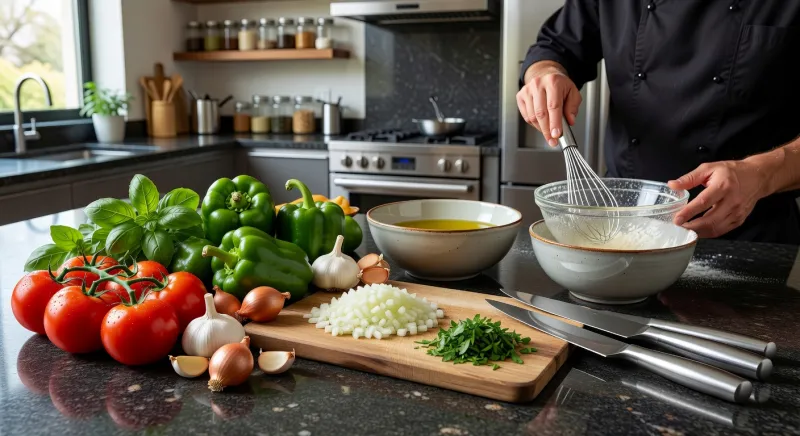
Salads combine kale, avocado, and quinoa for lunch. Drizzle with olive oil and lemon for bright flavor. This dish provides protein and healthy fats together. Professionals in this field know that presentation encourages repeat use.
Stir-fries feature broccoli and turmeric with lean proteins. Serve over brown rice for a complete evening meal. Adjust spices to match family preferences easily. Health-conscious eaters value these flexible options for weeknight cooking.
Benefits for Health-Conscious Eaters
Regular use supports sustained energy throughout busy days. Nutrition.gov highlights the role of nutrient-dense foods. Home cooks notice improvements in family meal satisfaction. Food enthusiasts share successes in community discussions online.
Antioxidants in many superfoods aid natural body processes. Health professionals suggest pairing them with varied diets overall. This prevents reliance on single items for wellness goals. Nutrition benefits accumulate with consistent daily choices.
Digestion often improves with added fiber sources. Health-conscious eaters report better focus after balanced meals. Simple habits create long-term positive outcomes naturally. Professionals in this field know that education drives better decisions.
Immune support comes from vitamins found in these foods. World Health Organization emphasizes diverse eating patterns. Home cooks create meals that satisfy taste and needs. This dual focus keeps everyone engaged with healthy cooking.
Common Pitfalls to Avoid
Overuse of any single superfood can limit variety. Nutrition experts note the importance of rotation in meals. Health-conscious eaters learn to diversify their selections weekly. Food enthusiasts avoid trends that lack practical kitchen application.
Buying large amounts leads to spoilage if not planned. Home cooks benefit from shopping lists based on recipes. Proper portion control maintains budget and freshness alike. This practice supports ongoing healthy cooking without waste.
Ignoring preparation methods reduces nutrient retention sometimes. Steaming or light cooking often preserves more value. Health professionals suggest testing small batches first. Professionals in this field know that patience improves results.
Skipping research on sourcing affects overall quality. Local markets provide fresh options for many items. Health-conscious eaters prioritize transparency in food origins. This awareness enhances every recipe attempted at home.
Tips for Long-Term Success
Meal planning incorporates superfoods without added stress. Health-conscious eaters prepare ingredients in advance on weekends. Home cooks rotate recipes to prevent boredom in routines. Food enthusiasts document favorites for future reference.
Education through reliable sources builds lasting knowledge. Nutrition experts note that informed choices lead to better habits. Start with two or three superfoods before expanding further. This measured pace suits busy lifestyles effectively.
Family involvement increases acceptance of new foods. Children often enjoy helping with simple tasks like washing produce. Health professionals suggest making the process enjoyable overall. Professionals in this field know that shared meals strengthen bonds.
Review progress monthly to refine approaches as needed. Adjust based on seasonal availability and personal feedback. Learn more about nutrition benefits through ongoing exploration. Consistent effort delivers meaningful improvements in daily nutrition.
Frequently Asked Questions
How can beginners start using superfoods in cooking?
Beginners can start by adding one or two items to familiar meals. Choose easy options like berries in oatmeal or spinach in smoothies. Test small amounts to see how flavors blend with existing recipes. Home cooks often find success through gradual changes rather than big overhauls. This method builds confidence while delivering nutrition gains over time.
What mistakes do people make with superfoods and how to use them?
Common mistakes include buying too much at once and letting items spoil. Another issue is relying on supplements instead of whole foods in recipes. Health-conscious eaters should focus on balanced plates rather than single additions. Proper storage and portion control help maintain quality and value. Learning basic preparation techniques prevents nutrient loss during cooking.
Which superfoods work best in breakfast ideas?
Berries, seeds, and leafy greens pair well with morning meals. They add flavor and nutrients without much extra effort. Home cooks can mix them into yogurt or pancakes for variety. These choices support steady energy through the morning hours. Experiment with combinations to match personal taste preferences.
How do superfoods fit into meal planning for families?
Superfoods fit easily when included in shared dishes like casseroles or salads. Plan around seasonal availability to keep costs reasonable. Health-conscious eaters involve family members in selection and prep tasks. This creates buy-in and makes healthy cooking more enjoyable for everyone. Track what works and adjust plans accordingly each week.
Can superfoods help with specific dietary needs at home?
Superfoods support many dietary needs through their natural nutrient profiles. They provide options for increasing fiber or antioxidants in daily food. Professionals in this field know that variety matters more than any one item. Home cooks adapt recipes to suit allergies or preferences with simple swaps. Consistent use contributes to overall wellness goals over time.
Final Thoughts
Superfoods and how to use them bring real value to home kitchens. Health-conscious eaters gain practical tools for better daily nutrition. Consistent application leads to improved energy and meal satisfaction.
Start small and build habits that last. Explore more healthy recipes to expand your options. These steps support long-term success in healthy cooking.