
For home cooks, food enthusiasts, and health-conscious eaters, understanding how to adapt meals for specific health needs is vital. Special diets for medical conditions offer targeted nutrition to manage or improve various health issues. These diets are not just trends but essential tools for well-being. This article dives into the role of specialized eating plans in addressing medical challenges.
- Learn how special diets for medical conditions support health recovery.
- Discover key dietary adjustments for common medical issues at home.
- Find practical tips to cook balanced meals for specific needs.
- Understand the importance of consulting experts for tailored plans.
- Explore recipes that align with health-focused eating guidelines.
- Master ingredient swaps to meet dietary restrictions easily.
- Gain confidence in preparing meals for loved ones' health.
Why Special Diets Matter for Medical Conditions
Special diets for medical conditions are designed to address specific health challenges. They help manage symptoms, prevent complications, and promote healing. For home cooks, this means adapting recipes to meet unique nutritional needs. Food becomes a form of medicine in these cases.
Health professionals suggest that tailored diets can improve quality of life. Conditions like diabetes or heart disease often require strict food choices. Home cooks can play a crucial role by preparing compliant meals. This empowers families to support loved ones effectively.
For food enthusiasts, experimenting with these diets offers a creative challenge. It's about finding flavor within restrictions. Think of crafting a low-sodium dish that still excites the palate. This balance is key to sustaining dietary adherence.
Health-conscious eaters also benefit from understanding these diets. Awareness helps in making informed food decisions. Resources like Nutrition.gov provide valuable guidance on tailored eating. Such knowledge ensures meals align with medical advice.
For a deeper understanding of this topic, The Complete Guide to Fasting offers practical guidance for food enthusiasts at any level.
As an Amazon Associate, we earn from qualifying purchases.
Common Medical Conditions Requiring Special Diets
Many medical conditions demand specific dietary adjustments for management. Diabetes, for instance, requires careful carbohydrate monitoring. Home cooks can focus on low-glycemic ingredients for stable blood sugar. This approach prevents dangerous spikes or drops.
Heart disease often calls for low-sodium and low-fat diets. Reducing salt helps manage blood pressure effectively. Food enthusiasts can experiment with herbs for flavor instead. This keeps meals tasty without health risks.
Celiac disease requires a strict gluten-free diet for safety. Health-conscious eaters must avoid wheat-based products entirely. Learning to bake with alternative flours is essential. Check out more on gluten-free options at healthy recipes.
Kidney disease may need limited protein or potassium intake. Nutrition experts note that portion control is critical here. Home cooks can adjust recipes to fit these limits. This ensures meals support kidney function without overload.
Key Principles of Crafting Special Diets at Home
Creating special diets for medical conditions starts with understanding restrictions. Each condition has unique nutritional demands to consider. Home cooks must research or consult dietitians for clarity. This ensures meals are safe and beneficial.
Balance is a core principle in these diets. Meals should still provide essential nutrients despite limits. Health-conscious eaters can focus on whole foods for variety. Think of colorful vegetables or lean proteins as staples.
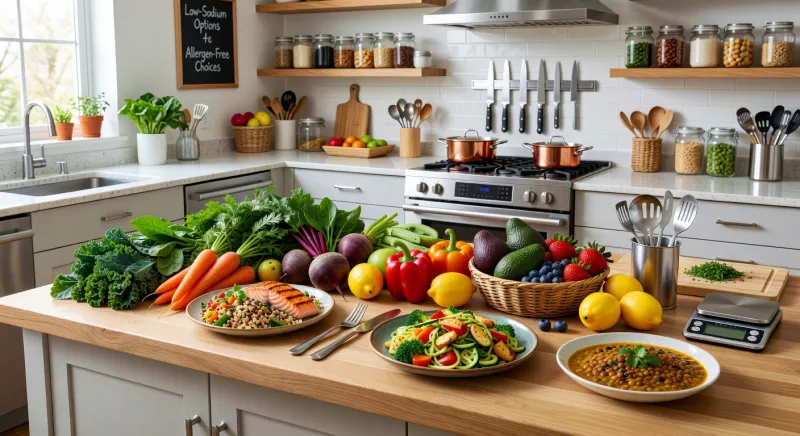
Portion control often plays a significant role in management. Overeating can worsen certain medical issues quickly. Food enthusiasts can use measuring tools for accuracy. This practice helps maintain dietary goals consistently.
Lastly, flavor shouldn't be sacrificed for health needs. Experimenting with spices or cooking methods is key. Resources from World Health Organization emphasize varied diets for adherence. Home cooks can make compliance enjoyable with creativity.
Practical Tips for Home Cooks on Special Diets
Adapting to special diets for medical conditions can feel daunting at first. Start by reading food labels carefully for hidden ingredients. Home cooks should watch for allergens or restricted items. This habit prevents accidental health setbacks.
Meal planning is a powerful tool for success. Plan weekly menus based on dietary needs in advance. Health-conscious eaters can batch-cook compliant dishes for convenience. This saves time while ensuring proper nutrition.
Ingredient substitutions are often necessary for these diets. Swap high-fat items for healthier alternatives like avocado. Food enthusiasts can explore new flavors this way. Check options at ingredients guide for ideas.
Finally, involve family in the cooking process for support. Teach them about dietary needs and recipes. This builds a team effort around health goals. It also makes sticking to plans much easier.
Challenges and Solutions in Following Special Diets
One major challenge with special diets for medical conditions is limited food choices. Restrictions can feel isolating or boring over time. Home cooks may struggle to keep meals exciting. This can lead to dietary lapses.
A solution is to explore diverse cuisines within limits. Many cultures offer naturally compliant dishes to try. Food enthusiasts can adapt these for health needs. Variety prevents monotony in daily eating.
Another issue is the cost of specialty ingredients. Gluten-free or low-sugar items often carry higher prices. Health-conscious eaters can buy in bulk for savings. Planning meals reduces waste and expense too.
Social settings pose additional hurdles for adherence. Dining out or attending events can be tricky. Home cooks can prepare portable compliant snacks instead. Communicating needs to hosts also helps greatly. For authoritative guidance, refer to the NPS and NPS websites.
Frequently Asked Questions
What are special diets for medical conditions?
Special diets for medical conditions are eating plans tailored to manage specific health issues. They address needs like diabetes, heart disease, or allergies. Home cooks can use these to support loved ones' wellness. The goal is to prevent symptoms or aid recovery. Resources like government health sites offer detailed guides. Always consult a professional for personalized advice.
How do I start cooking for a medical diet at home?
Begin by researching the specific dietary needs of the condition. Consult a dietitian for accurate restrictions and goals. Stock your kitchen with compliant ingredients for ease. Plan meals weekly to stay organized and consistent. Experiment with recipes to maintain flavor and interest. Health experts stress starting small to build confidence.
Which ingredients should I avoid for certain health diets?
Ingredients to avoid depend on the medical condition in question. For diabetes, limit refined sugars and high-carb foods. Heart diets often restrict salt and saturated fats. Celiac requires avoiding gluten at all costs. Home cooks should read labels for hidden risks. Consulting nutrition guides helps clarify safe choices.
Can special diets still be tasty and enjoyable?
Absolutely, these tailored eating plans can remain delicious with effort. Focus on herbs, spices, and varied cooking methods. Home cooks can experiment within dietary limits for flavor. Food enthusiasts often find joy in creative substitutions. Health-conscious eaters should prioritize whole, fresh ingredients. This approach keeps meals exciting and satisfying.
How can I stick to a medical diet during social events?
Social events can challenge adherence to health-focused eating plans. Bring your own compliant dish to share with others. Communicate dietary needs to hosts ahead of time. Eat a small meal beforehand to avoid temptation. Keep portable snacks handy for emergencies. Health professionals suggest planning as the key to success.
Final Thoughts
Navigating special diets for medical conditions is a powerful way to support health. Home cooks, food enthusiasts, and health-conscious eaters can make a difference. Tailored nutrition helps manage symptoms and boosts well-being.
With practical tips and creativity, these diets become second nature. Explore resources like special diets for more guidance. Start small, plan ahead, and keep learning.
Take action today by trying a new recipe or substitution. Health-focused cooking is both a skill and a gift. Embrace the journey for lasting impact.

