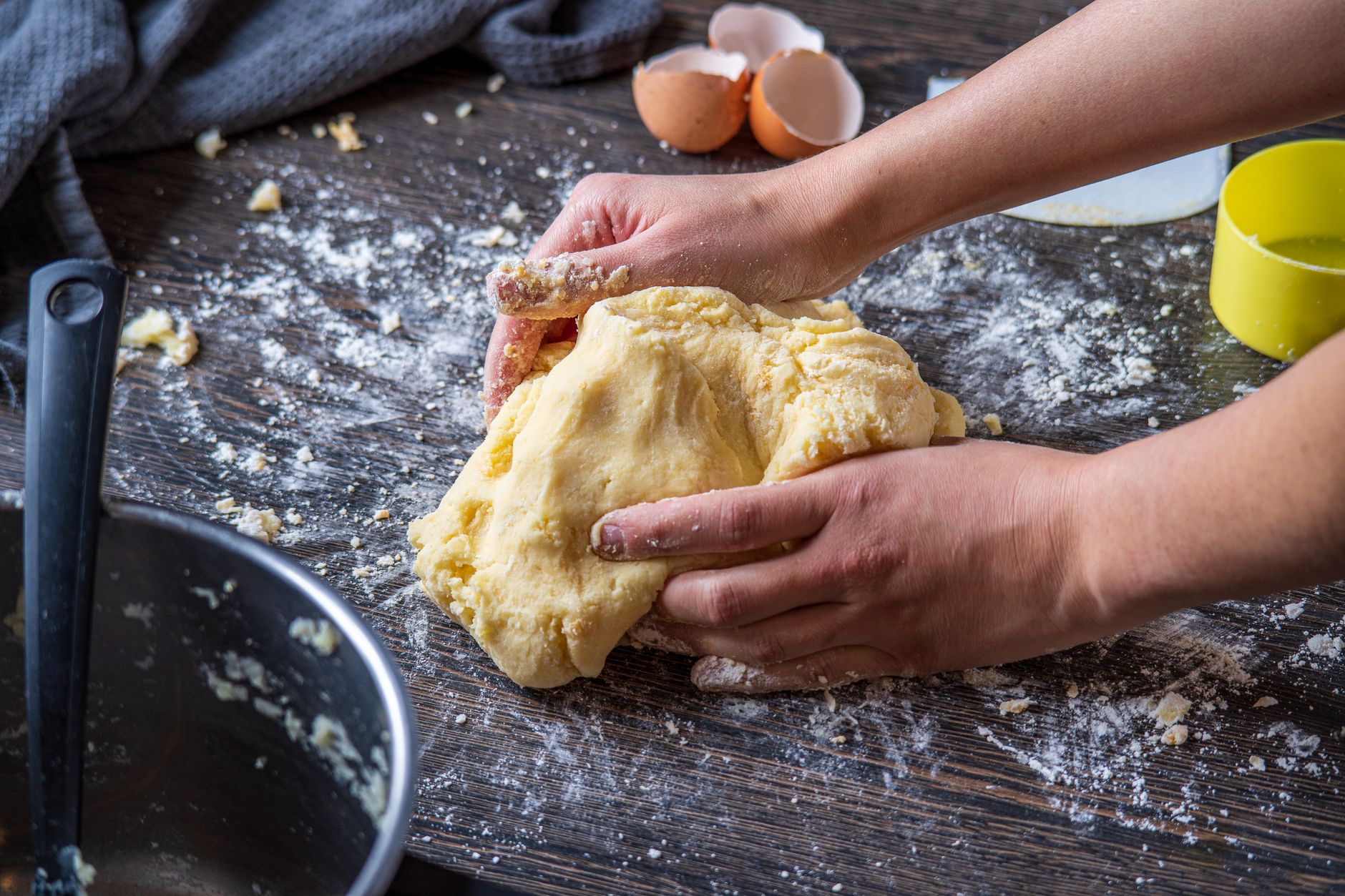
For home cooks, food enthusiasts, and health-conscious eaters, understanding the broader context of food and wellness is vital. The Latin American countries healthcare system plays a significant role in shaping dietary habits and nutritional access across the region. This article dives into how healthcare structures influence food choices and wellness practices. It connects directly to the Latin American category by exploring regional health policies and their impact on everyday cooking and eating.
- Learn how healthcare systems in Latin America affect food access for home cooks.
- Discover nutritional challenges tied to regional health policies for better meal planning.
- Explore traditional Latin American ingredients for healthier recipes at home.
- Understand how public health initiatives shape dietary guidelines for families.
- Find ways to adapt Latin American flavors into balanced, nutritious dishes.
- Use health-focused resources to enhance your cooking with regional insights.
Overview of Latin American Countries Healthcare System
The Latin American countries healthcare system varies widely across nations like Brazil, Mexico, and Peru. Many countries face challenges with funding and access to services. Rural areas often lack adequate medical facilities compared to urban centers. This disparity impacts how communities approach health and nutrition daily.
Public health programs often focus on combating malnutrition and diet-related diseases. In some regions, obesity rates are rising alongside undernutrition issues. Healthcare policies aim to address these dual burdens through education and outreach. However, implementation can be inconsistent across different areas.
For home cooks, this means access to nutritional guidance may be limited. Health professionals suggest seeking local markets for fresh produce as a workaround. Understanding these systemic gaps helps in making informed food choices. It also highlights the need for self-education on balanced diets.
Food enthusiasts can use this knowledge to advocate for better resources. Exploring initiatives by organizations like the World Health Organization provides valuable insights. These efforts often emphasize sustainable eating practices. Such information is crucial for creating healthier Latin American-inspired meals.
Nutrition Challenges in Latin American Healthcare
Nutrition remains a pressing issue within the Latin American countries healthcare system. Many regions struggle with both undernutrition and rising obesity rates. Limited access to diverse foods in rural areas worsens these problems. Urbanization also shifts diets toward processed, less healthy options.
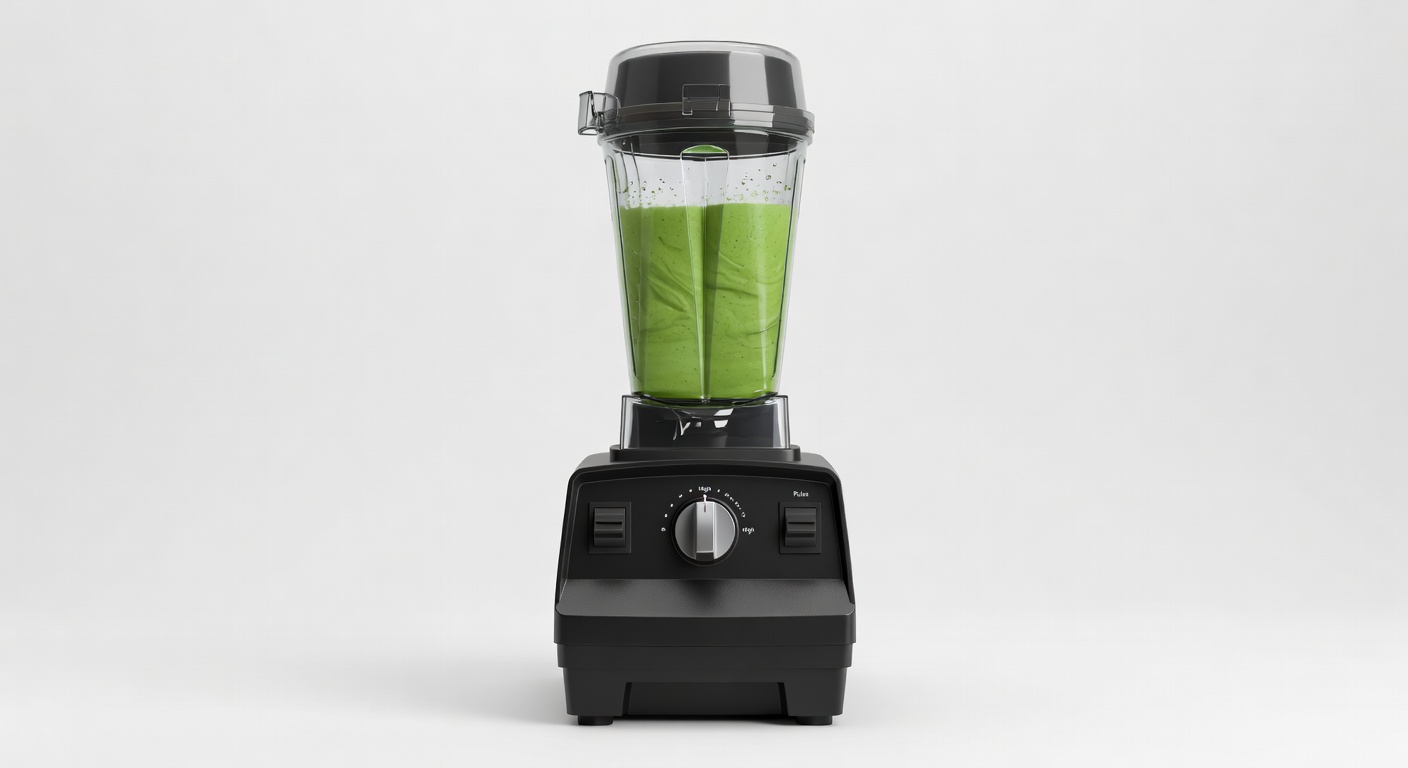
As an Amazon Associate, we earn from qualifying purchases.
Healthcare systems often lack resources for comprehensive nutritional education. This gap affects how families prepare meals at home. Without clear guidance, home cooks may rely on familiar but unbalanced dishes. Health experts note that this can perpetuate cycles of poor health.
For health-conscious eaters, understanding these challenges is key. It encourages a focus on whole, unprocessed ingredients in daily cooking. Exploring resources like Nutrition.gov can offer practical tips. These tools help bridge the gap left by systemic shortcomings.
Food enthusiasts can adapt by prioritizing traditional recipes with nutrient-dense foods. Think of dishes using quinoa, beans, and fresh vegetables. Such choices align with cultural roots while addressing health needs. This approach supports wellness despite healthcare limitations in the region.
How Healthcare Systems Shape Food Access
The Latin American countries healthcare system directly influences food access for many communities. In areas with underfunded health services, nutritional programs are often scarce. This means fewer initiatives to distribute fresh produce or educate on balanced diets. Families in such regions face barriers to healthy eating.
Urban centers may have better access to markets and health campaigns. Yet, even there, economic disparities limit options for low-income households. Healthcare policies sometimes fail to address these inequities fully. As a result, many rely on cheaper, calorie-dense foods over nutritious ones.
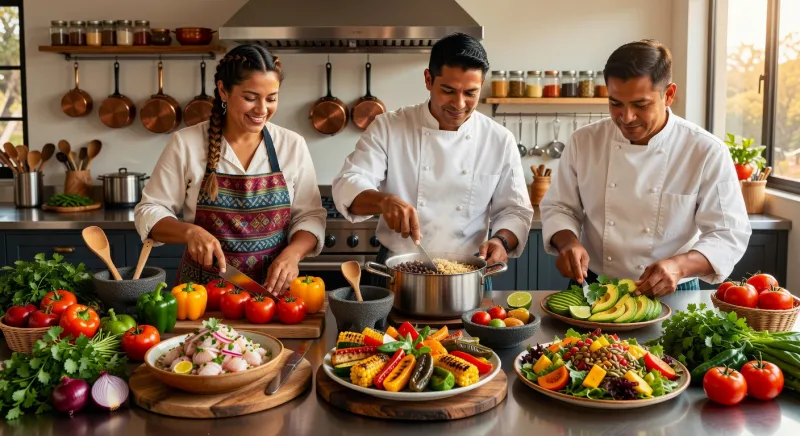
For home cooks, this underscores the importance of resourcefulness. Health professionals suggest growing small herb gardens or joining community markets. These steps can improve access to fresh ingredients. They also empower cooks to take control of their family's nutrition.
Food enthusiasts can explore local Latin American flavors to combat these issues. Check out ideas on healthy recipes for inspiration. Adapting traditional dishes with accessible ingredients is a practical solution. This ties directly to navigating healthcare-driven food access challenges.
Public Health Initiatives and Dietary Guidelines
Public health initiatives within the Latin American countries healthcare system aim to improve dietary habits. Many countries promote guidelines to reduce sugar and salt intake. These efforts often target schools and community centers for broader reach. However, funding and outreach remain inconsistent across borders.
Some nations have introduced food labeling laws for better consumer awareness. These rules help identify healthier packaged options. Yet, rural populations may not benefit due to limited packaged food access. This gap highlights a disconnect in policy effectiveness.
For health-conscious eaters, these initiatives offer a starting point. Nutrition experts advise using guidelines as a base for meal planning. Focus on fresh, local foods over processed items when possible. This approach aligns with public health goals despite uneven implementation.
Home cooks can leverage these efforts by exploring regional dietary advice. Platforms like nutrition benefits provide additional support. Use them to craft meals that reflect both health policies and cultural tastes. Such strategies ensure cooking remains both practical and wellness-focused.
Traditional Latin American Foods and Health
Traditional foods play a huge role in the context of the Latin American countries healthcare system. Staples like corn, beans, and tropical fruits are nutrient-rich. These ingredients form the backbone of many regional diets. They offer affordable ways to maintain health amid systemic challenges.
However, modern dietary shifts threaten these traditional eating patterns. Processed foods often replace wholesome, ancestral meals. Healthcare systems struggle to promote cultural foods as healthier options. This erosion impacts community wellness over time.
For home cooks, embracing these traditional ingredients is beneficial. Nutrition experts highlight their balance of vitamins and minerals. Dishes like tamales or black bean soups can be both nutritious and flavorful. Such meals honor heritage while supporting better health outcomes.
Food enthusiasts should experiment with these staples for creative dishes. Think of incorporating avocado or plantains into everyday recipes. These foods address nutritional gaps often seen in healthcare contexts. They also celebrate Latin American culinary diversity in a meaningful way.
Practical Tips for Home Cooks in Latin America
Navigating the Latin American countries healthcare system can be tricky for home cooks. Limited nutritional resources mean relying on personal initiative. Start by sourcing local, seasonal ingredients for cost-effective meals. Markets often offer fresher options than large stores.
Health professionals suggest learning basic preservation techniques. Fermenting vegetables or drying fruits extends their shelf life. This helps when access to fresh produce is inconsistent. It also reduces waste in resource-scarce areas.
Focus on simple, balanced meals to counter dietary challenges. Combine grains, legumes, and vegetables for complete nutrition. These combinations are often rooted in Latin American traditions. They ensure meals are filling and health-focused without complexity.
For food enthusiasts, adapt recipes to reflect local health needs. Experiment with spices to enhance flavor without excess salt. Share these ideas with community networks for wider impact. Such efforts align cooking with the realities of regional healthcare systems. For authoritative guidance, refer to the NPS and NPS websites.
Frequently Asked Questions
How does the Latin American countries healthcare system affect food choices?
The Latin American countries healthcare system impacts food choices through access and education. In many areas, limited health services mean fewer nutritional programs. This restricts guidance on balanced diets for families. Home cooks often rely on familiar, less healthy options as a result. Health experts suggest seeking local markets for fresh ingredients. Community resources can also fill gaps left by systemic issues.
What nutritional challenges exist in Latin American healthcare?
Nutritional challenges within the Latin American countries healthcare system are significant. Both undernutrition and obesity are prevalent due to uneven food access. Rural areas often lack diverse ingredients, while urban diets shift to processed foods. This dual burden strains public health efforts. Nutrition professionals recommend focusing on whole foods like beans and grains. Home cooks can use these to create balanced, affordable meals.
How can home cooks adapt to healthcare limitations in Latin America?
Home cooks can adapt to healthcare limitations by prioritizing local resources. Growing small gardens or joining food cooperatives boosts ingredient access. Learning traditional recipes with nutrient-dense staples is also key. Health experts advise simple meal planning for consistent nutrition. Experimenting with regional flavors keeps cooking exciting. These steps help navigate systemic gaps effectively.
What traditional Latin American foods support better health?
Traditional Latin American foods like quinoa, beans, and avocados support better health. These ingredients are rich in essential nutrients and widely available. They form the basis of many cultural dishes that are naturally balanced. Nutrition experts note their role in combating diet-related issues. Home cooks can use them in soups, salads, or sides. This ties directly to wellness goals in the region.
How do public health policies influence Latin American diets?
Public health policies in the region aim to shape diets through guidelines and education. Many focus on reducing sugar and salt in everyday meals. However, uneven implementation limits their reach in rural zones. Health professionals suggest using these policies as a starting point for better choices. Home cooks can align meals with recommended practices. Community efforts often help spread this awareness further.
Final Thoughts
The Latin American countries healthcare system deeply influences nutrition and food access across the region. From disparities in rural versus urban areas to the rise of processed foods, these systems shape daily eating habits. Home cooks and food enthusiasts must navigate these challenges with creativity and resourcefulness.
Embracing traditional ingredients and adapting to local realities is essential. Health-conscious eaters can make a difference by focusing on balanced, cultural meals. Explore more ideas on healthy lifestyle for additional inspiration.
Take action by incorporating these insights into your kitchen today. Small changes in sourcing and cooking can improve wellness significantly. Every meal is a chance to honor Latin American heritage while prioritizing health.