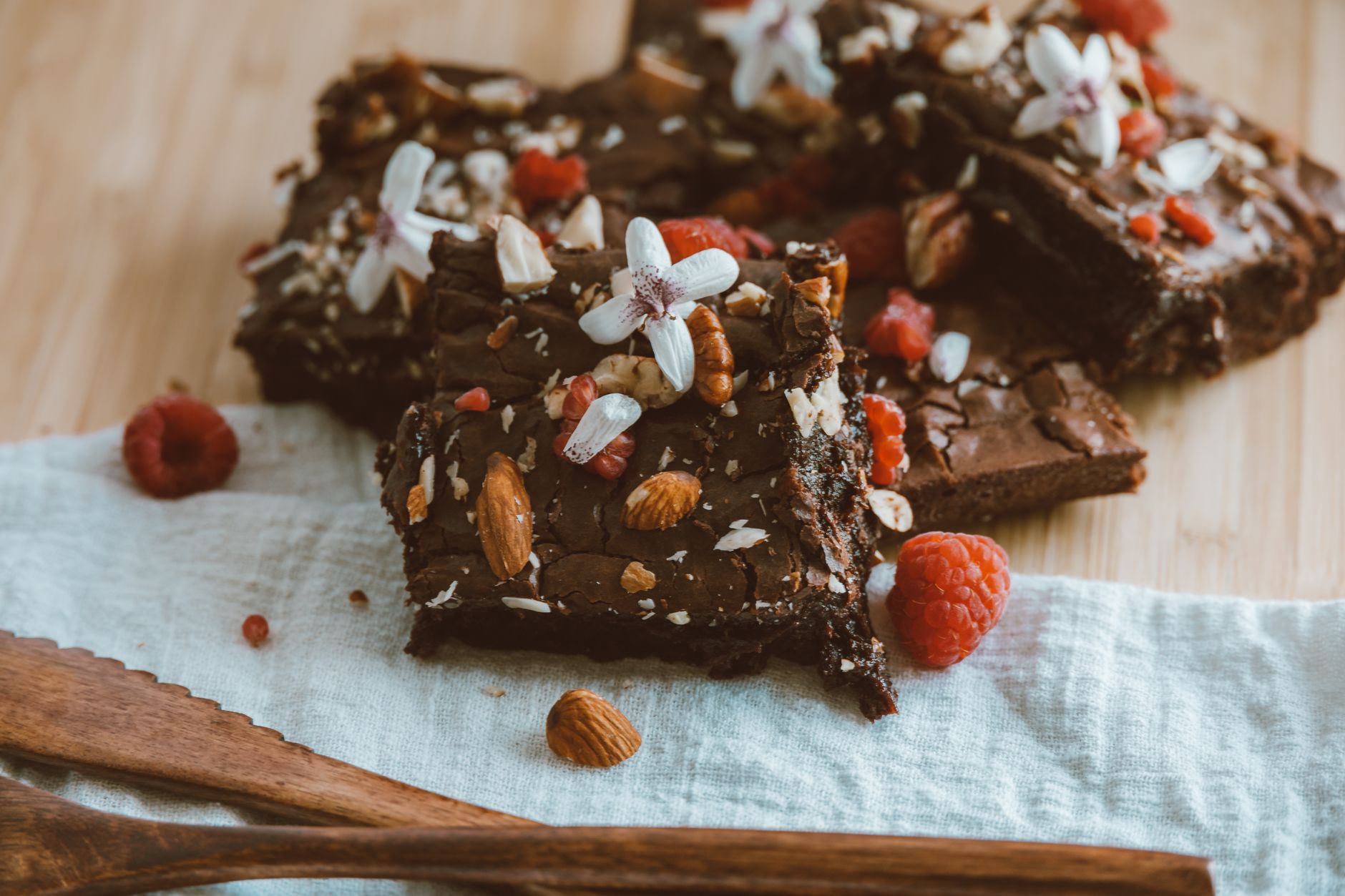
Most protein brownie recipes fail in a predictable way: they come out dry, rubbery, or weirdly chalky, and you end up wishing you'd just made the real thing. The problem isn't the ambition — it's not understanding why traditional brownies work in the first place. Once you understand the food science behind each ingredient, you can make smart swaps that genuinely improve nutrition without destroying texture. That's what this guide is about.
Why Traditional Brownies Taste So Good (And Are So Hard to Replicate)
A classic brownie is a masterclass in fat, sugar, and starch working together. Butter coats gluten proteins and keeps the crumb tender. Sugar not only sweetens but retains moisture and contributes to the glossy, crackled top through a process called the Maillard reaction. All-purpose flour provides just enough structure — but not too much. Eggs act as an emulsifier and binder, trapping air and keeping everything cohesive.
Strip any one of these out and replace it carelessly, and the whole system collapses. The goal of a good protein brownie isn't just to add protein powder — it's to replicate what each ingredient does, using different materials.

As an Amazon Associate, I earn from qualifying purchases.
The Role of Flour: Structure Without Starch
All-purpose flour's job in a brownie is modest: provide just enough gluten network to hold things together without making the texture bready. This is actually an easy thing to replace, because brownies don't need much structure at all.
Almond Flour
Almond flour is one of the most effective flour substitutes in protein brownie recipes. It's high in fat, which naturally keeps the crumb moist, and it contains virtually no gluten, so the risk of a tough, overdeveloped texture is essentially zero. The fine grind mimics the texture of cake flour, giving a dense, fudgy result. The fat content in almonds also contributes to a satisfying mouthfeel that protein-forward recipes often lack. If you're baking for gluten-free needs, almond flour is a natural fit.
Oat Flour
Oat flour adds mild sweetness and a slightly chewier texture. It contains beta-glucan, a soluble fiber that absorbs water and contributes body to the batter — useful when you're removing the binding effect of butter and refined sugar. It also has a higher protein content than white flour, giving you a small nutritional boost alongside the structural benefit.
Black Bean Purée
Perhaps the most counterintuitive swap, black bean purée replaces both flour and some of the fat in many whole-food recipes. Blended black beans are starchy enough to provide structure and moist enough to keep the brownie fudgy. They're also high in fiber and plant protein. The flavor is largely neutral when combined with cocoa powder and vanilla — the earthiness disappears entirely in a well-seasoned batter.
As an Amazon Associate, we earn from qualifying purchases.
Adding Protein: The Science of Which Powders to Use
This is where most protein brownie recipes go wrong. Protein powder isn't a passive addition — it actively competes with other ingredients for water, and it changes how the batter sets during baking.
Whey Protein
Whey protein is highly soluble and denatures (unfolds and sets) relatively quickly under heat. Used in excess, it makes brownies dense and rubbery because the proteins seize too tightly. The general principle is to keep whey protein to a modest proportion of the total dry ingredients and compensate by increasing your moisture sources — typically eggs, nut butter, or mashed banana.
Casein Protein
Casein is thicker and more gel-like than whey when hydrated. Many bakers find it produces a naturally fudgier result in no-bake or low-heat recipes. However, in oven-baked brownies it can make the texture gummy if overused, so it's often best combined with another flour rather than used alone.
Plant-Based Proteins
Pea protein, brown rice protein, and hemp protein all behave differently. Pea protein can leave a slightly bitter aftertaste if used in large quantities; offsetting it with extra vanilla extract and a pinch of salt helps considerably. Brown rice protein is grainier in texture and works better in combination with a moist binder. Hemp protein has an earthy, nutty flavor that pairs naturally with dark chocolate and is a good fit for vegan and plant-based baking where dairy proteins are off the table.
Fat: What It Actually Does and How to Replace It
Fat in brownies serves three functions: it tenderizes by coating gluten strands and preventing a tough chew, it carries fat-soluble flavor compounds (cocoa butter is part of what makes chocolate taste so complex), and it contributes to a moist, dense texture as it cools.
Nut Butters
Almond butter, peanut butter, and cashew butter are the most popular whole-food fat replacements. They bring natural oils, protein, and fiber in one ingredient. Peanut butter has a stronger flavor profile that can dominate; almond butter is milder and more versatile. In terms of texture, nut butters behave very similarly to butter in a dense, fudgy brownie — the ratio of fat to protein in the butter helps keep things from drying out.
Avocado
Mashed avocado is high in monounsaturated fat and has a near-neutral flavor when combined with cocoa. It creates an incredibly smooth, moist texture. The fat profile is different from dairy butter, but for the purposes of brownie texture — tenderness and moisture retention — it performs remarkably well.
Greek Yogurt and Cottage Cheese
Both of these are protein-rich replacements that contribute moisture and some binding while reducing overall fat. Greek yogurt adds a slight tang that can actually enhance the perception of chocolate flavor by creating contrast. Cottage cheese, when blended smooth, is virtually tasteless in baked goods and adds creaminess without heaviness.
Sugar: The Trickiest Swap of All
Sugar does more in brownies than sweeten. It's hygroscopic — it draws in and holds onto moisture — which is a big reason brownies stay soft and fudgy for days after baking. It also raises the temperature at which the batter sets, giving you more time in the oven for flavor development before the structure firms up. Remove sugar and replace it poorly, and you get brownies that are dry, pale, and set too fast.
Medjool Dates and Date Paste
Dates are one of the most effective whole-food sugar replacements because they're naturally high in fructose and glucose, they're sticky and fibrous (which helps with binding), and they retain moisture through the same hygroscopic mechanisms as refined sugar. Medjool dates blended with a little water make a thick paste that integrates seamlessly into brownie batter. The caramel-like flavor of dates also complements dark chocolate exceptionally well.
Maple Syrup and Honey
Liquid sweeteners are easy to incorporate and bring their own flavor complexity. They're still sugars, so they retain moisture in the same way, but they come with small amounts of minerals and phenolic compounds. The main adjustment when using liquid sweeteners is to reduce other liquid ingredients slightly to keep the batter from becoming too wet.
Mashed Banana
Ripe bananas bring natural sugars, starch, and pectin — a fiber that acts as a natural thickener and binder. They add sweetness and moisture, but they do introduce banana flavor, which you'll want to lean into rather than fight. Paired with dark cocoa and a little espresso powder, bananas can be nearly undetectable to some palates.
The Egg's Role and Its Replacements
Eggs bind, emulsify, and add structure. The yolk provides fat and lecithin (a natural emulsifier that helps fats and liquids coexist smoothly); the white provides protein that sets and holds the crumb together when heated. In a protein brownie, you're often already adding a lot of protein through powder and nut butter, so the structural role of egg white is somewhat covered — but the emulsification of the yolk is harder to replicate.
For vegan versions, flax eggs (one tablespoon ground flaxseed plus three tablespoons water, rested until gel-like) provide binding and some fat. Chia eggs work similarly. Neither fully replicates the leavening and emulsifying power of real eggs, but in a dense, fudgy brownie — as opposed to a cakey one — the difference is minimal.
Cocoa Powder: The One Ingredient You Should Never Compromise On
In a recipe where you're removing a lot of fat and sugar, cocoa powder becomes the flavor backbone. Use Dutch-process cocoa for a darker, richer, less acidic result. Use natural cocoa if your recipe contains baking soda (natural cocoa is acidic; baking soda is alkaline — they neutralize each other to produce lift). Raw cacao powder has a more complex, fruity bitterness and retains more of its natural phenolic compounds, though it can taste slightly more astringent.
The quantity matters more than most recipes admit. Don't be shy — most protein brownie recipes under-use cocoa, which is why they taste bland and compensate by relying too heavily on protein powder sweetness.
Putting It Together: The Principles That Actually Work
Understanding the science leads to a clear set of principles for any protein brownie recipe:
- Keep moisture high. Protein powder, almond flour, and oat flour all absorb water aggressively. Add more eggs, nut butter, yogurt, or liquid sweetener than you think you need.
- Don't overbake. Protein-heavy batters set faster than traditional ones. Pull the brownies out when the center still looks slightly underdone — they'll firm up as they cool.
- Use salt generously. Salt suppresses bitterness, enhances chocolate flavor, and compensates for the reduced sweetness. A quarter to half teaspoon of fine sea salt makes a measurable difference.
- Let them cool completely. Protein brownies often taste dramatically better — less rubbery, more fudgy — after cooling fully, and even better after a few hours in the refrigerator.
- Balance your protein sources. Rather than loading in a full scoop of protein powder, consider combining a smaller amount of powder with high-protein whole foods like black beans, Greek yogurt, or nut butter. The texture will be far superior.
A Simple Formula to Build Your Own Recipe
Once you understand the roles, you can mix and match confidently. A reliable base for one batch (roughly 9 brownies) follows this logic:
- Structure: 1 cup almond flour OR 1.5 cups blended black beans
- Protein boost: ¼ to ⅓ cup protein powder (whey, casein, or plant-based)
- Fat and binding: ½ cup nut butter + 2 eggs (or 2 flax eggs)
- Sweetness and moisture: ⅓ cup maple syrup, honey, or date paste
- Flavor: ½ cup cocoa powder, 1 tsp vanilla, ¼ tsp salt
- Optional extras: ¼ cup dark chocolate chips, espresso powder, cinnamon
Bake at around 325–350°F (165–175°C) for 20–25 minutes, erring on the side of underdone. The lower temperature gives moisture time to redistribute without the outside drying out before the center sets.
The Bottom Line
Making protein brownies that genuinely taste good isn't about finding the magic ingredient — it's about understanding what each traditional ingredient was doing and replicating that function with better nutritional inputs. Fat creates tenderness: replace it with nut butter or avocado. Sugar holds moisture: replace it with dates or liquid sweeteners. Flour provides minimal structure: replace it with almond flour or legumes. When each swap is purposeful, you end up with something that satisfies the same craving and fuels you more effectively. That's food science worth knowing.