The advice to "eat the rainbow" is everywhere, but it usually stops at the slogan. What's rarely explained is that the colors in fruits and vegetables aren't just pretty packaging — they are the nutrients. The red in a strawberry, the orange in a carrot, the deep green in spinach: each hue comes from a distinct class of chemical compounds, and each class has its own biological role, its own relationship with heat, water, and acid, and its own set of rules for how best to cook — or not cook — the food that contains it. Understanding those rules transforms vague healthy-eating advice into something a cook can actually use at the stove.
Why Plant Pigments Are More Than Decoration
Plants produce pigments for their own reasons: attracting pollinators, deterring herbivores, managing sunlight, and signaling ripeness. What's remarkable is how often those same molecules turn out to be useful inside the human body. The three dominant pigment families in the foods we eat are chlorophylls (greens), carotenoids (yellows, oranges, and reds), and anthocyanins (reds, purples, and blues). They are chemically very different — different molecular structures, different solubilities, different stabilities — and those differences determine both their nutritional effects and their behavior in your pan.
Chlorophyll: The Green That Hates Heat
What It Is
Chlorophyll is the molecule that captures sunlight for photosynthesis. Its structure is built around a magnesium ion held at the center of a large ring of carbon and nitrogen atoms called a porphyrin ring. That magnesium is responsible for chlorophyll's vivid green color — and it is also its chemical vulnerability.
As an Amazon Associate, I earn from qualifying purchases.
What It Does Nutritionally
Chlorophyll itself is not a vitamin, but it arrives in foods alongside folate, vitamin K, and a range of other micronutrients, making leafy green vegetables among the most nutrient-dense foods available. Chlorophyll has also attracted interest for its antioxidant properties and its role in supporting cellular health, though research on its direct effects in the human body is still developing. You can explore more about these compounds on our antioxidants page.
What Cooking Does to It
Here is where understanding chemistry pays off at the stove. When you apply heat to green vegetables, cell membranes break down and release organic acids. Those acids displace the magnesium ion at the center of chlorophyll's ring, replacing it with hydrogen. The resulting compound — called pheophytin — is a dull, olive-brown color. This is exactly why overcooked broccoli turns an unappetizing grey-green.
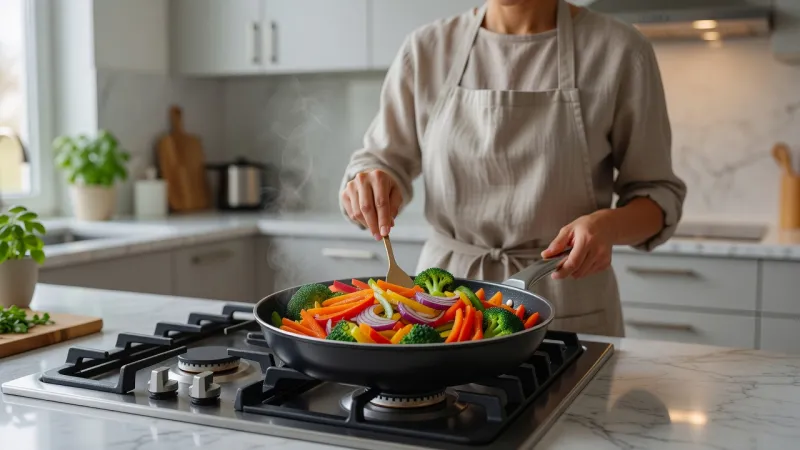
The practical implication: cook green vegetables fast and hot, then stop. Blanching in vigorously boiling, well-salted water for two to four minutes, followed immediately by plunging the vegetables into ice water to halt cooking, is the classic technique for preserving both color and texture. The large volume of boiling water dilutes the released acids before they can do significant damage. Steaming, which concentrates those acids in a smaller water volume around the food, can actually worsen browning if the vegetables are left too long.
Baking soda added to cooking water raises the pH (makes it more alkaline), which does preserve a brilliant green color — but at the cost of texture, as the alkaline environment breaks down pectin in the cell walls, turning vegetables mushy. It is a trade-off rarely worth making.
As an Amazon Associate, we earn from qualifying purchases.
Carotenoids: The Resilient Oranges and Yellows
What They Are
Carotenoids are a large family of pigments — over 600 identified in nature — built from long chains of carbon atoms with alternating single and double bonds. That chain structure, called a conjugated system, is what absorbs blue light and lets orange and yellow wavelengths bounce back to our eyes. Beta-carotene (carrots, sweet potato), lycopene (tomatoes, watermelon), lutein (kale, corn), and zeaxanthin (eggs, orange peppers) are all carotenoids, each with a slightly different molecular shape and therefore a slightly different hue and biological effect.
What They Do Nutritionally
Some carotenoids — primarily beta-carotene, alpha-carotene, and beta-cryptoxanthin — are provitamin A compounds, meaning the body converts them into vitamin A, which is essential for vision, immune function, and cell growth. Others, like lycopene and lutein, are not converted to vitamin A but act as potent antioxidants in their own right. Lutein and zeaxanthin concentrate in the macula of the eye and are associated with reduced risk of age-related macular degeneration.
What Cooking Does to Them
Carotenoids are dramatically different from chlorophyll in one key respect: they are fat-soluble, not water-soluble. This has two major consequences for how you should cook and eat carotenoid-rich foods.
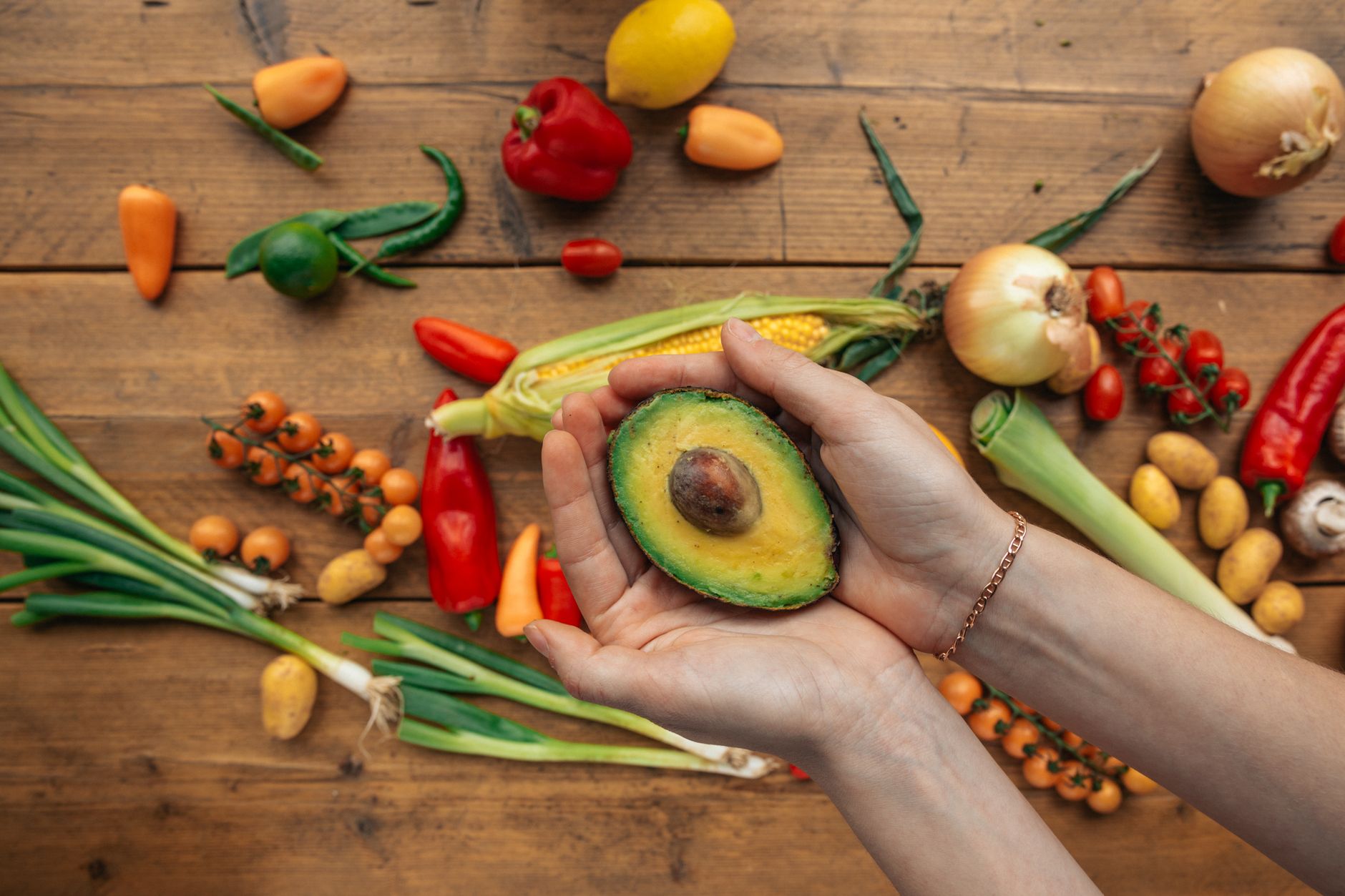
First, they will not leach into cooking water the way water-soluble compounds do. Boiling a carrot does not drain its carotenoids away. Second, and more importantly, your body cannot absorb carotenoids well without dietary fat present. Eating a fat-free salad with lots of orange and red vegetables means absorbing only a fraction of their carotenoid content. Adding olive oil, avocado, or nuts to that salad meaningfully increases absorption.
The other surprise: moderate cooking actually increases carotenoid availability in many vegetables. Raw tomatoes contain lycopene locked inside cell walls; cooking breaks those walls down, releasing lycopene into a more bioavailable form. This is one of the clearest cases in nutrition where cooking genuinely improves a food's nutrient delivery. Heat stability is also a carotenoid strength — they are relatively resistant to degradation at normal cooking temperatures, making them far more forgiving than chlorophyll or anthocyanins.
Anthocyanins: The pH-Sensitive Blues, Reds, and Purples
What They Are
Anthocyanins are a subgroup of a larger family of plant compounds called flavonoids. Their molecular structure features a positively charged oxygen atom in a central ring, and it is that charged center that makes them so sensitive to their chemical environment. They are found in blueberries, red cabbage, black rice, elderberries, red onion, purple sweet potato, and dozens of other deeply colored foods.
What They Do Nutritionally
Anthocyanins are among the most studied plant compounds in nutrition research, with a body of evidence linking high intake to cardiovascular health, anti-inflammatory effects, and support for cognitive function. They are potent antioxidants, meaning they can neutralize free radicals that would otherwise damage cells. Research into their role in blood sugar regulation and gut microbiome support is also ongoing and promising.
What Cooking Does to Them
Anthocyanins, the pigments responsible for red, purple, and blue colors in foods like red cabbage, blueberries, and purple sweet potato, are water-soluble and highly pH-sensitive — turning red in acidic conditions and blue-green in alkaline ones.
This sensitivity is not just a chemistry curiosity — it has direct, visible consequences in the kitchen. If you have ever cooked red cabbage without acid and watched it turn a dull, unappetizing blue-grey, you have seen anthocyanins responding to the slightly alkaline tap water and released cellular compounds. The fix is simple: add a splash of vinegar, a squeeze of lemon juice, or some apple cider vinegar early in the cooking process. The acid environment keeps the anthocyanins in their red-pink form and preserves the visual appeal.
Because they are water-soluble, anthocyanins readily leach out into any cooking liquid. Boiling blueberries in water will transfer significant amounts of pigment — and bioactive compounds — into that liquid. This is not necessarily a loss if you use the cooking liquid (as in a sauce or compote), but it means that long boiling in discarded water is the worst approach. Roasting, quick sautéing, or consuming anthocyanin-rich foods raw or lightly processed minimizes these losses.
Heat does degrade anthocyanins over time, so extended cooking reduces their concentration regardless of the cooking method. For dishes where maximum anthocyanin retention matters — smoothies and drinks made with blueberries or purple açaí, for instance — no-heat preparation is ideal.
A Practical Side-by-Side: What to Do With Each Color
Green Foods (Chlorophyll)
Cook briefly and vigorously. Use a large pot of boiling water. Shock in ice water immediately after. Avoid prolonged steaming or braising. Serve quickly — chlorophyll continues degrading even after cooking stops, which is why restaurant salads are assembled at the last moment.
Orange and Yellow Foods (Carotenoids)
Moderate cooking is your friend. Roasting, sautéing, and even gentle boiling all help break cell walls and release carotenoids. Always serve with some source of fat — even a small amount matters for absorption. Whole tomatoes and carrots retain their pigments through most cooking methods.
Red, Purple, and Blue Foods (Anthocyanins)
Keep it acidic, keep it short, keep it concentrated. Add vinegar or citrus when cooking red or purple vegetables. Avoid alkaline cooking water (tap water in hard-water areas can be mildly alkaline — a small acid addition counteracts this). Prefer raw preparation or minimal heat when the goal is maximum anthocyanin retention. Use any cooking liquid rather than discarding it.
The Bigger Picture: Why Chemical Diversity Matters
These three pigment families represent only the most prominent color-producing compounds in plant foods. Betalains (the deep red in beetroot), flavones, and other flavonoids add further chemical and nutritional diversity. The reason variety matters in a plant-based diet is precisely this: different compounds work through different mechanisms, absorb at different rates, and target different tissues in the body. No single pigment does everything.
Understanding the chemistry behind each color group does something more useful than any general slogan: it gives you specific, actionable techniques. Add lemon to your red cabbage. Dress your carrot salad with olive oil. Blanch your green beans fast and hard. These are not arbitrary cooking tips — they are applications of well-established chemistry, and getting them right means you actually deliver more of what these remarkable molecules have to offer.
Sources
Every factual claim in this article was independently verified against the following sources:
- Anthocyanidin — en.wikipedia.org