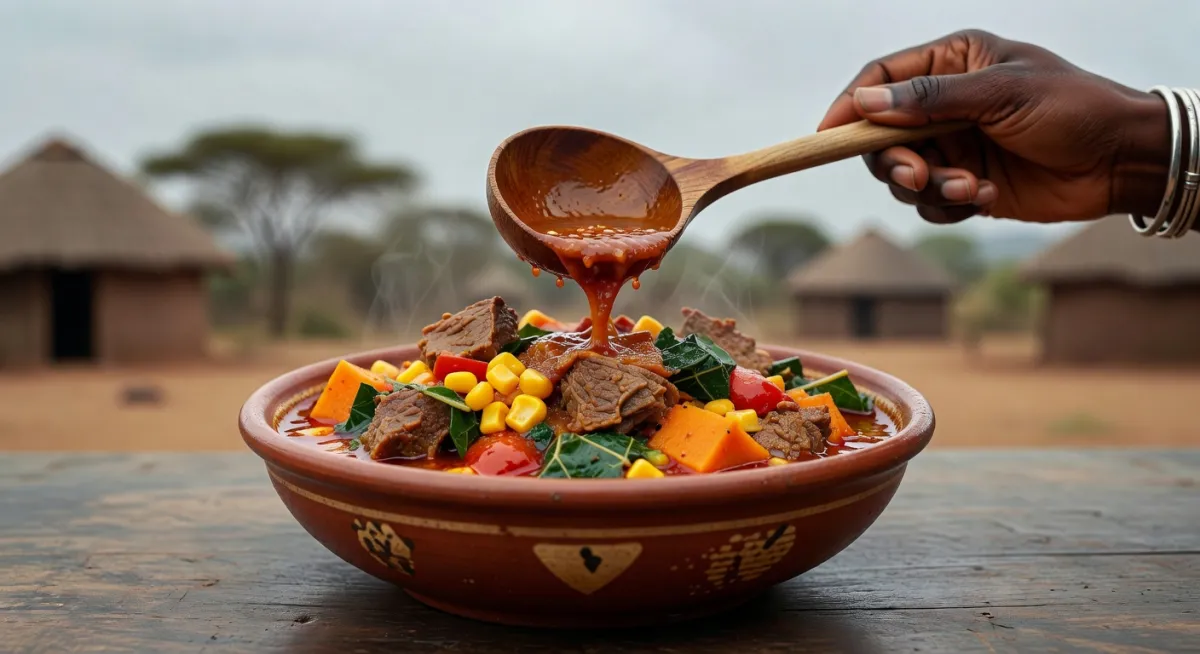
African dishes recipes offer home cooks exciting ways to enjoy healthy cooking with bold flavors and wholesome ingredients. These meals draw from diverse traditions across the continent. They suit food enthusiasts seeking new tastes. Health-conscious eaters appreciate the natural nutrition in every bite.
- Start with fresh vegetables and lean proteins for balanced plates.
- Use spices like ginger and turmeric to boost flavor without extra salt.
- Portion grains such as millet or sorghum to control energy intake.
- Steam or grill instead of frying to keep meals light.
- Pair dishes with leafy greens for added vitamins and minerals.
- Experiment with small batches to test family preferences safely.
- Store leftovers properly to maintain freshness and safety.
The Rich History Behind African Dishes Recipes
Traditional cooking methods have shaped african dishes recipes over centuries. Communities relied on local produce and seasonal harvests. This approach ensured meals remained nutritious and sustainable. Home cooks today can learn from these roots.
Many recipes feature staples like yams and beans. These ingredients provide steady energy for daily activities. Food enthusiasts explore regional differences in preparation styles. Each variation highlights unique cultural stories.
Health professionals suggest incorporating these time-tested combinations. They deliver essential nutrients without processed additives. Families enjoy meals that connect them to broader heritage. Simple techniques make replication easy at home.
Modern adaptations preserve core elements while fitting busy schedules. Cooks adjust spices to match available supplies. The result stays true to original nutrition profiles. This balance appeals to health-conscious eaters everywhere.
Essential Ingredients in African Dishes Recipes
Key components include plantains, okra, and various peppers. These items add texture and natural sweetness. Professionals in this field recommend sourcing organic versions when possible. Quality affects both taste and health benefits.

As an Amazon Associate, we earn from qualifying purchases.
Legumes form another foundation in many recipes. They supply plant-based protein for muscle support. Nutrition experts note their role in steady blood sugar levels. Home cooks can stock them in bulk for convenience.
Herbs such as cilantro and mint brighten finished plates. They also contribute antioxidants that support overall wellness. Food enthusiasts experiment with fresh versus dried forms. Both options work well in different cooking methods.
Whole grains complete the nutritional picture. They offer fiber that aids digestion. Learn more about sourcing quality staples. This knowledge helps maintain consistent results across meals.
Nutritional Advantages of These Meals
African dishes recipes often emphasize vegetables and lean proteins. Such combinations align with guidelines from Nutrition.gov. They promote heart health and sustained energy. Health-conscious eaters notice improved vitality over time.
Spices deliver anti-inflammatory properties in daily use. Ginger and garlic appear frequently across regions. Research indicates these additions support immune function naturally. Cooks integrate them easily into everyday routines.
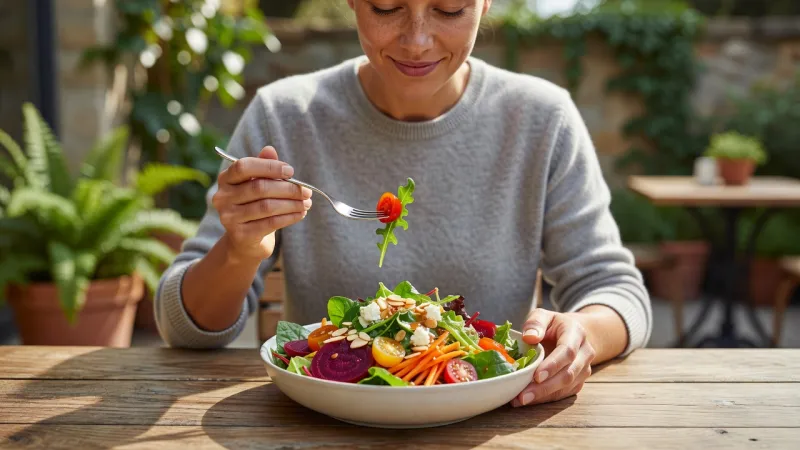
Portion control comes naturally with these flavorful options. Strong tastes reduce the need for extra fats or sugars. Families report higher satisfaction from smaller servings. This pattern supports weight management goals effectively.
Balanced plates from these traditions meet diverse dietary needs. They fit various preferences without complex substitutions. Professionals in this field highlight their versatility. Home cooks gain confidence through repeated practice.
Step-by-Step Preparation Techniques
Begin by washing all produce thoroughly under running water. This step removes residues and ensures safety. Next, chop ingredients into uniform sizes for even cooking. Consistent pieces lead to better texture outcomes.
Heat pots gradually to avoid burning spices. Add aromatics first to build deep flavor layers. Stir regularly during simmering to prevent sticking. These habits produce reliable results every time.
Monitor cooking times closely for optimal tenderness. Overcooking diminishes both nutrition and appeal. Taste adjustments happen near the end of preparation. This timing preserves delicate herb notes.
Finish with fresh garnishes for visual and flavor contrast. Serve immediately to capture peak freshness. Leftovers cool quickly before refrigeration. Proper handling maintains quality for later enjoyment.
Adapting African Dishes Recipes for Modern Kitchens
Busy schedules require efficient tools like pressure cookers. These devices shorten preparation without sacrificing quality. Home cooks appreciate the time savings during weeknights. Results remain close to traditional methods.
Substitute ingredients based on local availability. Quinoa works in place of certain traditional grains. Explore related healthy recipes for more ideas. Such flexibility keeps meals accessible year-round.
Batch cooking allows families to prepare ahead. Divide portions for quick reheating later. This strategy supports consistent nutrition intake. Food enthusiasts value the convenience it provides.
Seasonal adjustments keep recipes interesting and fresh. Swap summer vegetables for heartier winter options. The core principles stay intact throughout changes. Health-conscious eaters benefit from year-long variety.
Common Mistakes to Avoid
Overloading plates with multiple starches leads to excess calories. Balance each serving with ample vegetables instead. This simple shift improves overall nutrition density. Cooks learn through mindful portion planning.
Skipping spice toasting reduces depth of flavor. Brief dry heating releases essential oils effectively. The extra minute makes a noticeable difference. Results reward the small added effort.
Ignoring hydration needs during preparation causes issues. Keep water nearby for adjustments and safety. Proper moisture levels ensure smooth cooking processes. Families stay comfortable throughout the experience.
Rushing the cooling stage risks food safety. Allow dishes to reach room temperature gradually. Then store in airtight containers promptly. This practice prevents spoilage and waste.
Frequently Asked Questions
What are simple african dishes recipes for weeknight meals?
Simple versions focus on one-pot preparations with available ingredients. Start with stews that combine greens and proteins. These take under an hour from start to finish. Home cooks appreciate the minimal cleanup required.
Choose recipes that highlight familiar vegetables first. Add spices gradually to match taste preferences. Leftovers reheat well for lunches the next day. This approach supports consistent healthy cooking habits.
How do african dishes recipes support balanced nutrition?
They combine grains, vegetables, and proteins in traditional proportions. The World Health Organization encourages diverse plant intake for wellness. Such meals deliver fiber, vitamins, and minerals naturally. Health-conscious eaters find them satisfying without supplements.
Regular inclusion helps meet daily nutrient goals easily. Spices add benefits beyond basic flavor. Families notice steady energy levels throughout the day. These patterns promote long-term dietary success.
Where can beginners find authentic ingredients for these dishes?
Local markets often stock key items like plantains and spices. Online suppliers provide options when stores lack variety. Check labels for freshness and origin details. This ensures best results in final preparations.
Start small with core staples before expanding selections. Many communities host specialty stores with guidance available. Experimentation builds confidence over several attempts. Success comes with consistent sourcing practices.
Can these meals fit special diet requirements at home?
Yes, most adapt well to vegetarian or gluten-free needs. Swap proteins or grains as required for each person. Focus remains on fresh produce and balanced flavors. Home cooks handle modifications with basic planning.
Consult reliable sources for any medical concerns first. These dishes offer flexibility without losing appeal. Families enjoy shared meals despite different preferences. The approach simplifies group dining situations.
What storage methods keep leftovers fresh longest?
Cool dishes completely before transferring to sealed containers. Refrigerate promptly to slow bacterial growth. Use within three days for peak quality and safety. Label dates clearly for easy tracking.
Freezing works well for longer periods up to three months. Thaw overnight in the refrigerator before reheating. Avoid repeated temperature changes to maintain texture. Proper care preserves nutrition and taste effectively.
Final Thoughts
African dishes recipes bring vibrant nutrition to everyday tables. Home cooks gain practical skills through regular practice. These meals support health goals while delivering enjoyment. Food enthusiasts discover endless variations worth exploring.
Start with basic techniques and build from there. Consistent use strengthens connections to wholesome eating. World cuisines offer further inspiration. Health-conscious eaters find lasting value in these traditions.
Experiment today and share successes with others. Small steps lead to meaningful dietary improvements over time.