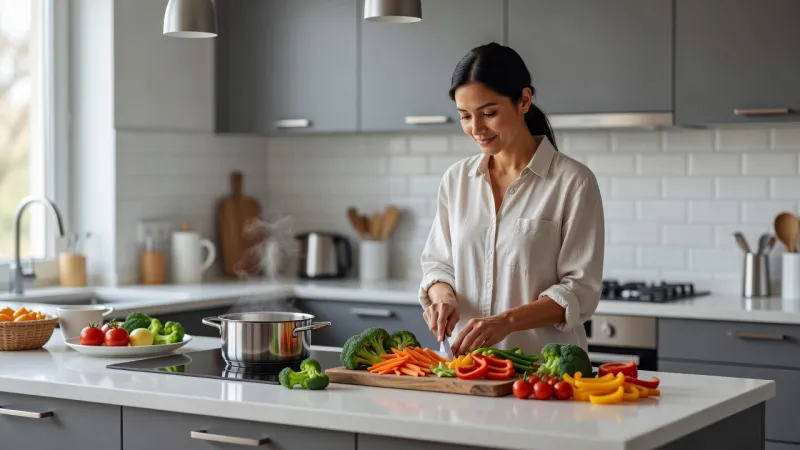
Sunday afternoon, you batch-cook a week's worth of lunches, feeling organized and virtuous. By Wednesday, you open the fridge to a soggy, grey, vaguely sad container that bears little resemblance to what you made. Sound familiar? The frustration isn't a cooking failure — it's a food science problem. Understanding why certain ingredients hold up in the fridge while others collapse helps you build cold lunches that are genuinely fresh, satisfying, and nutritious on day five as much as day one. Here's how to meal prep cold lunches the right way, with the science to back every decision.
Why Some Ingredients Fail in the Fridge
Refrigeration slows microbial growth but doesn't stop the chemical and enzymatic reactions that change texture, color, and flavor. Three main culprits are responsible for most meal-prep disappointments:
Enzymatic Browning
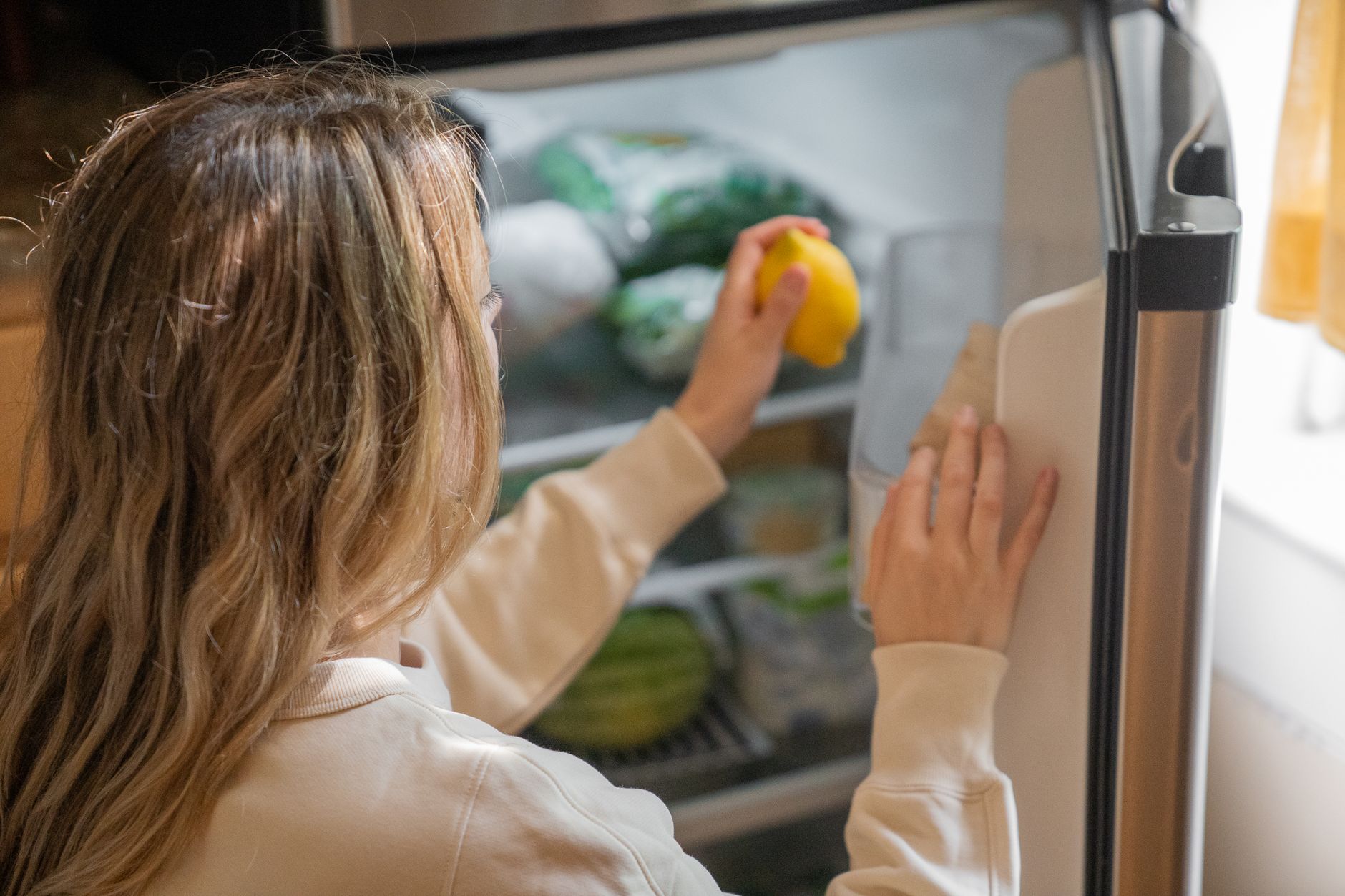
Cut apples, avocado, and certain vegetables turn brown when enzymes called polyphenol oxidases react with oxygen. This is purely cosmetic in many cases, but it signals texture degradation too. Acid — lemon juice, vinegar, citric acid — lowers pH and slows this reaction dramatically, which is why a squeeze of lemon over sliced avocado actually works.

As an Amazon Associate, I earn from qualifying purchases.
Moisture Migration
Water moves from wet ingredients toward drier ones by osmosis. Salt draws moisture out of vegetables over time. A dressed salad turns watery and limp because the salt and acid in dressing pull liquid from cell walls. This is the single most common reason cold lunches disappoint by midweek. The fix is structural: keep dressings and sauces separate, or choose base ingredients whose cell walls are robust enough to resist.
Starch Retrogradation
Cooked starches — rice, pasta, potatoes — undergo retrogradation when chilled: starch molecules re-crystallize, making the texture firmer and sometimes chalky. This is why cold pasta can feel gluey. Slightly undercooking grains before refrigerating, and tossing them in a small amount of oil while warm, significantly reduces this effect.
The Best Base Ingredients for Cold Lunches
Not all bases are created equal when it comes to fridge durability. Choosing the right foundation is the most important decision in the whole process.
Grains and Legumes: The Reliable Backbone
Farro, freekeh, barley, and quinoa hold their texture far better than white rice or standard pasta after several days of refrigeration. Their higher fiber content and firmer cell structure resist retrogradation more effectively. Cooked lentils and chickpeas are similarly sturdy — they absorb dressings without falling apart and actually improve in flavor over two to three days as seasonings penetrate deeper. Grains and legumes are the meal-prepper's best friend for this reason.
Hearty Greens Over Delicate Ones
Baby spinach wilts by day two. Arugula collapses even faster. Kale, shredded cabbage, and Brussels sprouts leaves, however, are structurally different — thicker cell walls and lower water content at the surface mean they hold up to dressing and time. A kale salad, massaged with a small amount of olive oil to begin breaking down its fibrous texture, can sit dressed for up to three days and only get better.
Roasted Vegetables vs. Raw
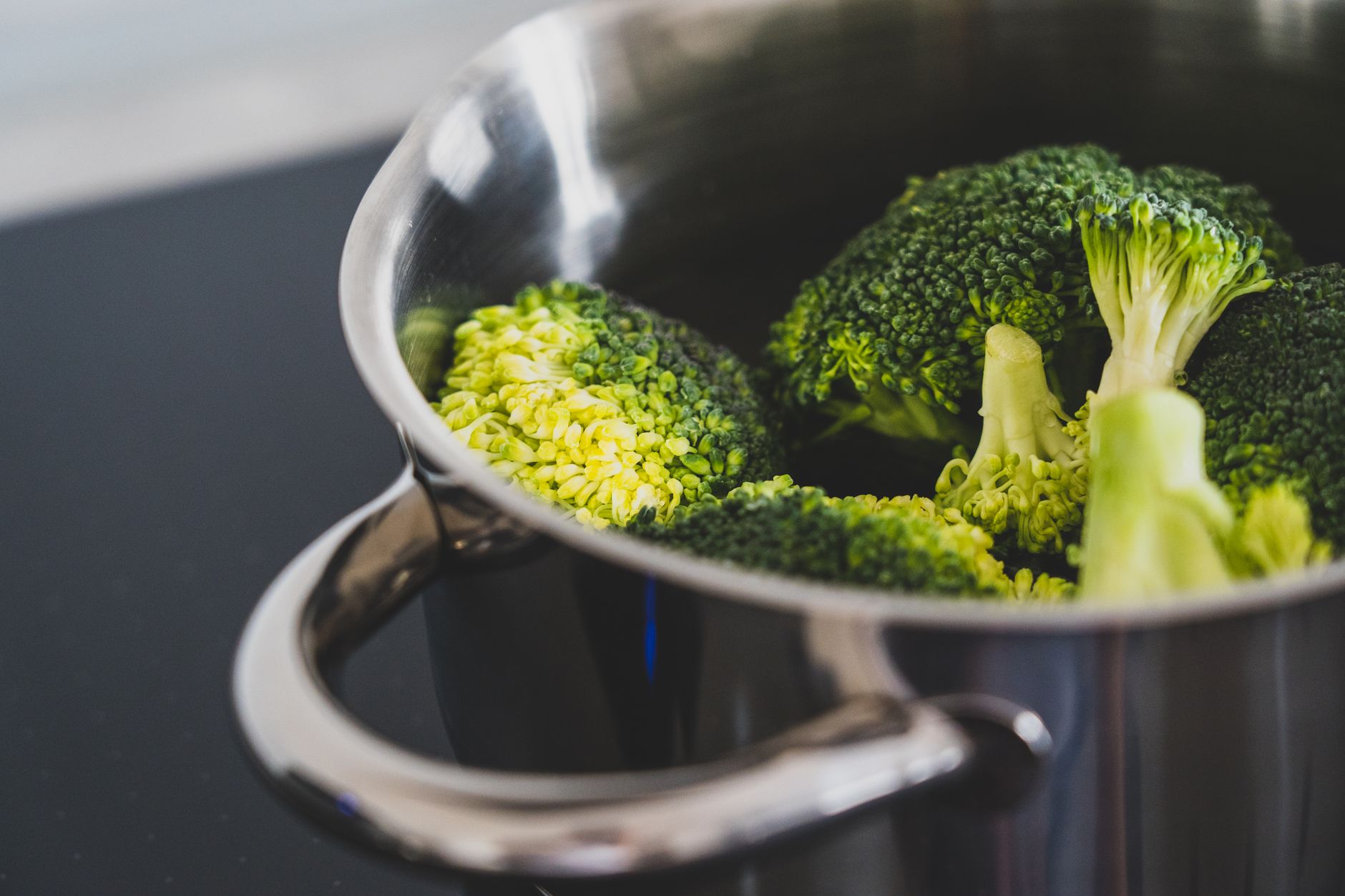
Roasting drives off moisture, which means roasted vegetables don't release as much liquid into your container over the week. Roasted sweet potato, cauliflower, broccoli, and beets all hold their texture well for four to five days when cooled properly before storing. Raw crunchy vegetables — carrots, cucumber, bell pepper, celery — also work well as long as they're kept dry and stored separately from wet components.
Proteins That Travel Well
Protein is what turns a grain bowl into a meal, but the wrong choice turns rubbery or dry within days.
Hard-Boiled Eggs
One of the most reliable cold-lunch proteins. Stored unpeeled, hard-boiled eggs last up to a week in the fridge. Peel them only when you're ready to eat to preserve moisture and prevent that sulfurous smell from intensifying.
Canned and Marinated Fish
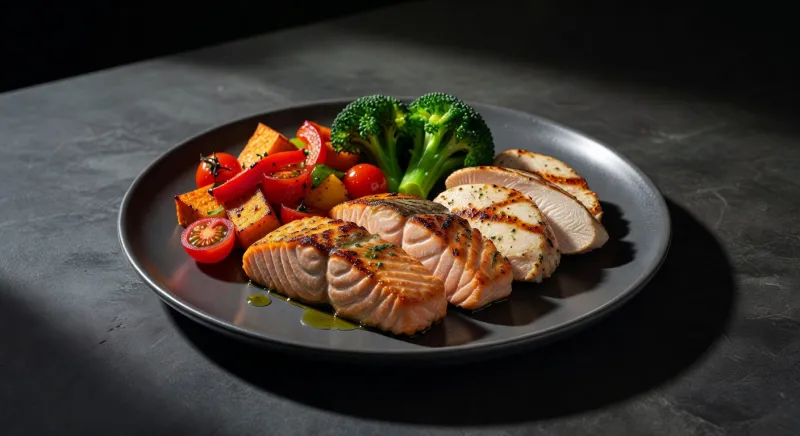
Tinned salmon, sardines, and tuna are shelf-stable until opened and then keep for several days. Salmon in particular is an excellent choice — it's rich in omega-3 fatty acids and doesn't dry out the way chicken breast can. Marinating cooked chicken thighs (not breast) in an acidic dressing also helps: the acid partially denatures surface proteins, keeping them tender longer than plain cooked meat.
Legumes as Protein
Chickpeas, black beans, edamame, and lentils double as both carbohydrate and protein source. They're pH-stable, don't suffer from moisture migration the way meat does, and absorb surrounding flavors, making them taste better on day four than day one.
The Architecture of a Week-Long Lunch
Think of your lunch container as a layered system where you deliberately sequence ingredients to minimize contact between moisture-rich and moisture-sensitive components.
The Layering Strategy
Place the most moisture-tolerant ingredient at the bottom — grains, legumes, or roasted vegetables. Add proteins in the middle. Keep fresh crunchy elements (raw vegetables, nuts, seeds) in a separate small container or in a corner away from wet ingredients. Store dressings separately every time without exception.
The Role of Fat as a Barrier
Tossing grains or greens in a thin coat of olive oil before adding other toppings creates a hydrophobic barrier that slows moisture migration. This is why Mediterranean-style grain salads — dressed in olive oil, lemon, and herbs — often taste better after a day in the fridge than freshly made. The fat coats the starch granules and retards retrogradation while the acid keeps colors bright.
Dressings and Sauces: Timing and Chemistry
A good dressing can ruin a week of meal prep if applied at the wrong moment. Here's what the chemistry tells us:
Acid and Salt Timing
Salt and vinegar both draw moisture from vegetables through osmosis. Applied days in advance, they soften and waterlog your ingredients. The exception is intentional marinating — robust ingredients like kale, cabbage, or whole chickpeas benefit from sitting in dressing. Delicate components like cucumber, tomato, or fresh herbs should never be dressed in advance.
Emulsified vs. Oil-and-Acid Dressings
Emulsified dressings (tahini-based, yogurt-based, or anything with mustard as an emulsifier) coat ingredients more evenly and tend to cling rather than pool at the bottom of a container. They also don't separate visibly in the fridge the way a plain oil-and-vinegar dressing does, making them practically useful for batch prep.
Smart Meal Prep Combinations That Work All Week
Here are reliable formulas grounded in the food science above:
The Grain Bowl Formula
Cooked farro or barley + roasted vegetables + a legume + a protein (egg, fish, or cheese) + a tahini or lemon-olive oil dressing stored separately. Assemble Monday through Friday, dressing only before eating. This structure survives five days with no quality loss.
The Hearty Slaw Formula
Shredded red cabbage, kale, and carrots form a base that doesn't wilt. Add seeds, a cooked grain for bulk, and a miso-sesame or yogurt-herb dressing. This can be fully dressed from day one — the cabbage and kale actually soften pleasantly. Inspired by Asian flavors, this style of salad is naturally designed for make-ahead prep.
The Mason Jar Salad
The vertical mason jar method works specifically because dressing sits at the bottom, proteins and grains sit in the middle as a barrier, and greens sit at the top — never touching the dressing until you shake it out. This isn't a gimmick; it's applied food science. The density gradient protects texture for up to four days.
Food Safety: The Rules That Actually Matter
Freshness and safety are related but not the same. An ingredient can look and taste fine while harboring harmful bacteria, and some can degrade aesthetically while still being perfectly safe.
The Temperature Danger Zone
Bacteria multiply most rapidly between 40°F (4°C) and 140°F (60°C). Your fridge should stay at or below 40°F. Cooked food should be cooled quickly — within two hours — before going into the fridge. Spreading hot food into shallow containers speeds this process significantly.
Safe Storage Windows
Most cooked proteins and grains are safe for three to four days in proper refrigeration. Hard-boiled eggs unpeeled last up to a week. Raw cut vegetables last three to five days when stored dry. If you're prepping for a full five-day week, cook proteins in two batches — one at the start of the week, one midweek — to stay within safe windows without sacrificing freshness.
Nutrition Holds Up Better Than You Think
A common concern about meal prepping is nutrient loss over several days. The reality is more reassuring than alarming. Fat-soluble vitamins (A, D, E, K) are stable in the fridge and don't degrade meaningfully over a few days. Water-soluble vitamins like vitamin C are more vulnerable — heat and time both reduce them — but the losses over three to four days of cold storage are modest in the context of a varied diet. Fiber, protein, and minerals are essentially unaffected by refrigeration. Choosing minimally processed whole ingredients and avoiding overcooking preserves the most nutritional value at the point of prep, and the fridge does little to undo that work.
Practical Tips to Make It Actually Happen
The food science only matters if the logistics work. A few practical principles help:
- Batch cook foundations, not full meals. Cook a large quantity of grains and roasted vegetables. Mix and match with different proteins and dressings each day for variety without extra work.
- Use airtight containers with flat lids. Exposure to air accelerates oxidation and enzymatic browning. Glass containers with tight seals are preferable for anything acidic, as they don't absorb odors.
- Label with dates. Simple but consistently skipped. Knowing what was made on Sunday versus Tuesday removes guesswork and reduces waste.
- Keep add-ons separate until eating. Nuts, seeds, fresh herbs, avocado, and anything crispy go in a small separate portion of the container or a separate bag. Their texture is the finishing detail that makes a meal feel fresh even when the base is four days old.
The gap between a good meal-prepped lunch and a disappointing one is almost never about effort or ingredients — it's about understanding what happens to food in the fridge and designing around it. Once you see your lunch container as a system of components with different moisture contents, textures, and chemical behaviors, building one that holds up all week becomes genuinely straightforward.