
"rewritten": "Gluten free tips help home cooks, food enthusiasts, and health-conscious eaters navigate the initially daunting process of adopting a gluten-free lifestyle." Navigating ingredient labels and finding tasty alternatives is a challenge. Yet, with the right gluten free tips for beginners, this transition becomes manageable and even exciting. This guide offers actionable advice to simplify the process. It's tailored for those passionate about nutrition and eager to explore new recipes.
- Start by identifying gluten-containing foods like wheat, barley, and rye to avoid.
- Stock your pantry with gluten-free staples such as rice, quinoa, and almond flour.
- Read labels carefully for hidden gluten in processed foods and sauces.
- Experiment with gluten-free baking using xanthan gum for better texture.
- Dine out cautiously by asking about gluten-free menu options.
- Join online communities for recipe ideas and support.
- Plan meals ahead to avoid accidental gluten exposure.
Why Go Gluten-Free? Understanding the Basics
For many health-conscious eaters, going gluten-free is a necessity due to celiac disease or sensitivity. Gluten is a protein found in wheat, barley, and rye. It can trigger severe reactions in some individuals. Understanding why gluten-free living matters is the first step for beginners.
Celiac disease affects about 1% of the global population, causing digestive issues and nutrient deficiencies. Non-celiac gluten sensitivity also impacts many, leading to bloating and fatigue. For these reasons, avoiding gluten becomes essential. Home cooks must recognize these health drivers to stay motivated.
Beyond medical needs, some choose gluten-free diets for perceived wellness benefits. While not always scientifically backed, this choice resonates with food enthusiasts. They often seek cleaner eating habits. Exploring gluten-free options can align with broader nutrition goals.
This lifestyle also opens doors to creative cooking. It encourages trying new grains and flours. For those passionate about food, it's an adventure. Start by learning the basics with resources from Nutrition.gov.
Stocking a Gluten-Free Pantry: Must-Have Items
Building a gluten-free pantry is crucial for home cooks new to this diet. It ensures quick access to safe ingredients. Beginners often struggle with what to buy. Focus on versatile, naturally gluten-free foods to start.
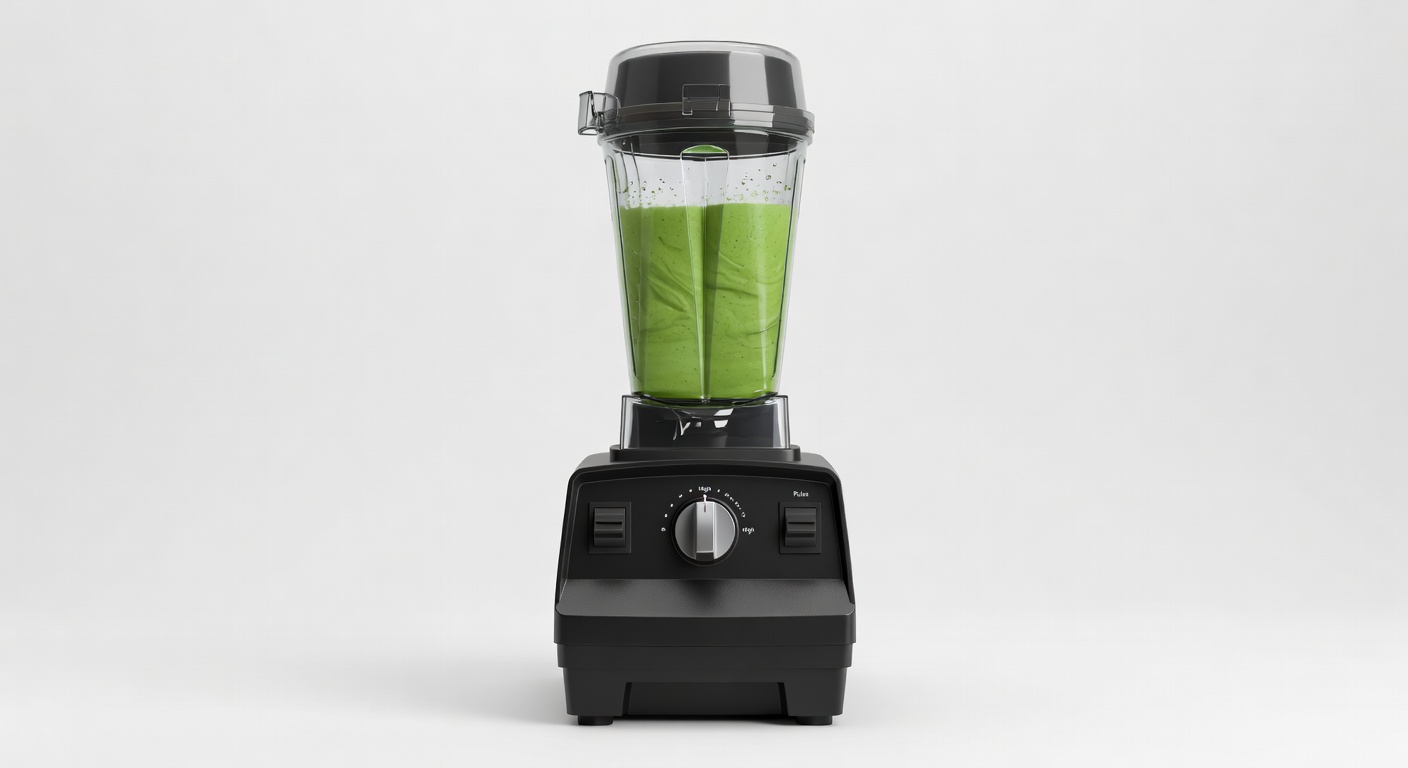
As an Amazon Associate, we earn from qualifying purchases.
Grains like rice, quinoa, and millet are excellent staples. They're safe and nutrient-rich for health-conscious eaters. Stock up on gluten-free flours such as almond or coconut flour. These work well in baking and cooking.
As an Amazon Associate, we earn from qualifying purchases.
Don't forget legumes, nuts, and seeds for protein and texture. Keep gluten-free pasta made from rice or lentils on hand. These are lifesavers for quick meals. Check out more essentials at gluten-free ingredients guide.
Label reading is vital when shopping. Hidden gluten lurks in sauces and seasonings. Always double-check processed items. With these gluten free tips for beginners, stocking up becomes second nature.
Mastering Gluten-Free Baking at Home
Baking without gluten can intimidate even seasoned home cooks. Gluten provides structure in traditional recipes. Without it, baked goods may crumble or lack rise. Yet, with the right techniques, success is achievable.
Start by using gluten-free flour blends designed for baking. These often combine rice flour, tapioca starch, and potato starch. They mimic wheat flour's properties. Add binders like xanthan gum to improve texture.

Experimentation is key for food enthusiasts. Test different ratios of wet to dry ingredients. Over-mixing can ruin gluten-free batters, so stir gently. Keep notes on what works for future bakes.
Health-conscious eaters can boost nutrition in baked goods. Add flaxseed or chia seeds for extra fiber. Use natural sweeteners like honey instead of sugar. These gluten free tips for beginners make baking rewarding and fun.
Navigating Gluten-Free Meal Planning
Meal planning is a game-changer for beginners on a gluten-free diet. It prevents last-minute slip-ups with unsafe foods. Home cooks benefit from structured weekly menus. This approach saves time and reduces stress.
Begin by listing naturally gluten-free meals you enjoy. Think grilled meats, fresh vegetables, and rice dishes. Build a rotation of these safe options. Gradually introduce new gluten-free recipes to diversify meals.
For food enthusiasts, meal prep offers a creative outlet. Batch-cook quinoa or roast veggies for easy assembly. Label containers to avoid cross-contamination. Health-conscious eaters can focus on balanced nutrition during planning.
Resources from World Health Organization emphasize balanced diets. Use their guidelines to ensure variety. Explore more ideas at gluten-free healthy recipes. These gluten free tips for beginners simplify the process significantly.
Dining Out Gluten-Free: Tips for Success
Eating out poses challenges for those new to gluten-free living. Restaurants often use gluten in unexpected ways. Cross-contamination is a common risk. Home cooks and food enthusiasts need strategies to dine safely.
Research restaurants beforehand for gluten-free menus or options. Call ahead to ask about their kitchen practices. Many establishments now cater to dietary needs. This shows growing awareness of gluten issues.
Communicate clearly with servers about your restrictions. Ask about ingredients in sauces and dressings. Request separate preparation areas if possible. Health-conscious eaters should prioritize establishments with transparent practices.
Carry gluten-free snacks as a backup. This prevents hunger if options are limited. Over time, dining out becomes easier with experience. Stick to these gluten free tips for beginners to enjoy meals worry-free.
Overcoming Common Gluten-Free Challenges
Transitioning to a gluten-free lifestyle isn't without hurdles. Beginners often face issues like cravings or social pressures. Home cooks may miss familiar foods. Understanding these challenges helps in overcoming them.
Cravings for bread or pasta are common at first. Replace them with satisfying alternatives like gluten-free versions. Experiment with cauliflower crusts for pizza. Food enthusiasts can turn this into a creative challenge.
Social events can feel isolating when gluten is everywhere. Communicate your needs to hosts or bring safe dishes. This ensures inclusion without risk. Health-conscious eaters can focus on whole, unprocessed options at gatherings.
Cost is another barrier, as gluten-free products can be pricey. Shop in bulk for staples like rice or quinoa. Look for sales on specialty items. With these gluten free tips for beginners, obstacles become manageable. For authoritative guidance, refer to the NPS and NPS websites.
Frequently Asked Questions
What are the best gluten-free flours for baking?
For beginners, choosing the right gluten-free flour is essential. Almond flour offers a nutty flavor and works well in cookies. Rice flour is versatile for both baking and cooking. Blends combining multiple flours often yield the best results. They balance texture and taste effectively. Explore different options to find what suits your recipes.
How can I avoid gluten when eating out?
Dining out requires vigilance to stay gluten-free. Always check menus online before choosing a restaurant. Ask servers about gluten-free options and kitchen practices. Be specific about avoiding cross-contamination. Carry a small snack in case safe choices are limited. Preparation is key to a stress-free experience.
Is a gluten-free diet healthier for everyone?
A gluten-free diet isn't inherently healthier for those without medical needs. It's vital for celiac disease or sensitivity sufferers. For others, it may limit certain nutrients if not planned well. Health-conscious eaters should focus on balanced meals regardless of gluten. Consult a dietitian if unsure about this approach. Resources like government nutrition sites can also guide you.
What are some easy gluten-free snacks for beginners?
Starting with simple snacks helps ease into this lifestyle. Fresh fruits and vegetables are naturally safe choices. Rice cakes with nut butter offer quick energy. Gluten-free granola bars are portable and tasty. Always check labels on packaged items for hidden ingredients. These options keep snacking hassle-free for newbies.
How do I start meal prepping without gluten?
Meal prepping without gluten is straightforward with planning. Focus on naturally safe ingredients like meats and veggies. Use separate containers to avoid cross-contamination. Batch-cook grains like quinoa for easy meals. Label everything clearly to stay organized. This method supports a safe, nutritious routine for home cooks.
Final Thoughts
Embarking on a gluten-free journey is a rewarding step for home cooks and health enthusiasts. These gluten free tips for beginners provide a solid foundation. From stocking a safe pantry to mastering baking, every aspect is covered. The key lies in preparation and persistence.
For health-conscious eaters, this lifestyle aligns with broader wellness goals. Experiment with new recipes and ingredients. Dive deeper into options at gluten-free special diets. Keep learning to make the transition seamless.
Take action today by implementing one tip from this guide. Small changes build lasting habits. A gluten-free kitchen awaits with endless possibilities for tasty, nutritious meals.