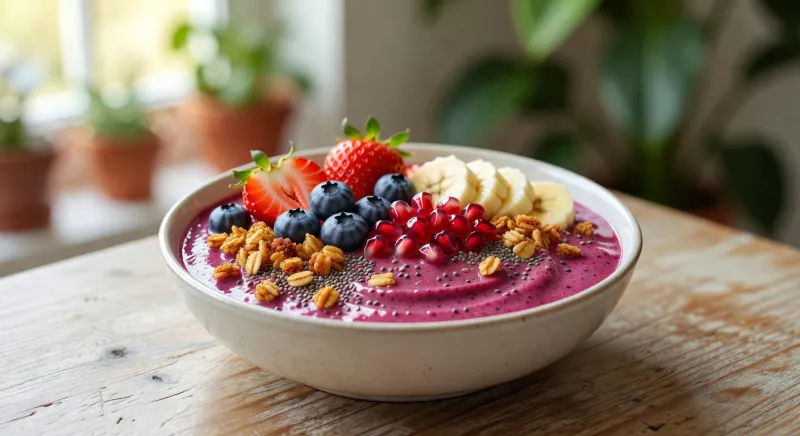
For home cooks, food enthusiasts, and health-conscious eaters, fitness nutrition tips mark the true starting point of any fitness journey. Understanding how to fuel the body for exercise and recovery is vital. This guide on fitness nutrition tips for beginners offers actionable advice to create sustainable eating habits. It's tailored for those passionate about cooking and mindful food choices.
- Focus on balanced meals with protein, carbs, and healthy fats.
- Plan meals ahead to avoid unhealthy food choices.
- Stay hydrated by drinking water throughout the day.
- Choose whole, unprocessed foods over packaged snacks.
- Track portion sizes to avoid overeating during meals.
- Incorporate nutrient-dense ingredients into home-cooked dishes.
- Adjust calorie intake based on fitness goals and activity.
Why Fitness Nutrition Matters for Beginners
Nutrition plays a key role in any fitness journey, especially for beginners. It provides the energy needed for workouts and aids in muscle recovery. Without proper fuel, the body struggles to perform and improve. This is why understanding food choices is crucial for progress.
For home cooks, this means leveraging kitchen skills to prepare nourishing meals. Crafting dishes that support fitness goals can be both fun and rewarding. Think of recipes as tools to boost energy and stamina. Simple tweaks in ingredients can make a big difference.
Health-conscious eaters often focus on quality over quantity in their diets. Prioritizing nutrient-dense foods helps sustain long-term wellness. It's not just about cutting calories but choosing wisely. This mindset aligns perfectly with fitness nutrition goals.
Food enthusiasts can experiment with flavors while meeting nutritional needs. Explore new spices or cooking methods to keep meals exciting. The journey becomes a creative outlet in the kitchen. Check out more ideas at healthy recipes for inspiration.
Essential Components of a Fitness Diet
A balanced diet is the foundation of fitness nutrition for beginners. It includes proteins, carbohydrates, and fats in the right proportions. Each nutrient serves a unique purpose in supporting the body. Ignoring any component can hinder fitness results.
As an Amazon Associate, we earn from qualifying purchases.
Proteins are vital for muscle repair and growth after exercise. Sources like chicken, beans, and tofu are great for home cooks. Preparing protein-rich meals at home ensures control over quality. It's easy to whip up a hearty dish with these staples.
Carbohydrates provide energy for physical activity and daily tasks. Opt for complex carbs like quinoa, oats, or sweet potatoes. These foods release energy slowly, preventing crashes. Health-conscious eaters can prioritize these for sustained vitality.
Healthy fats from avocados, nuts, and olive oil support overall wellness. They help with hormone production and nutrient absorption. Food enthusiasts can add these to recipes for richer flavors. Balance is key to avoiding excess calorie intake.
Meal Planning Strategies for Fitness Success
Meal planning is a powerful tool for fitness nutrition tips for beginners. It helps maintain consistency and prevents impulsive eating decisions. Planning ahead saves time and reduces stress for busy individuals. It's a practical skill for anyone starting out.
Home cooks can dedicate a day to batch-cook meals for the week. Prepare proteins, grains, and veggies in advance for quick assembly. This method ensures nutritious options are always on hand. It also allows for portion control and variety.
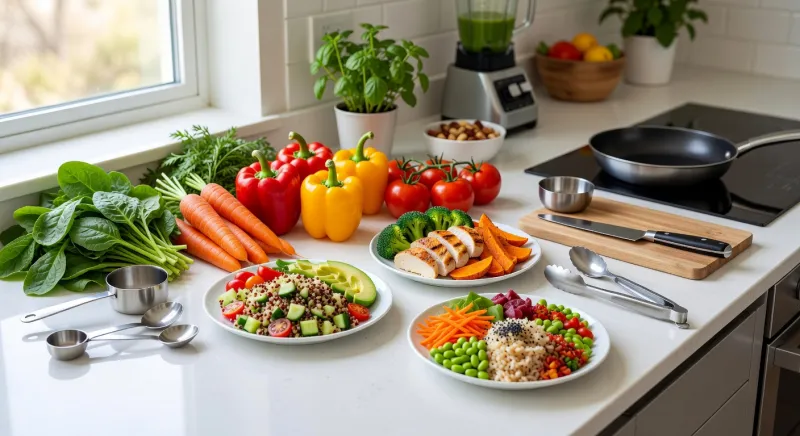
Health-conscious eaters benefit from mapping out balanced meals daily. Include a mix of nutrients in every dish for optimal results. Use a simple notebook or app to track plans. This habit builds discipline in food choices over time.
Food enthusiasts can use meal planning to test new recipes weekly. Experiment with global flavors or unique ingredient pairings for excitement. Resources like world cuisines offer endless inspiration. Keep fitness goals in mind while exploring culinary creativity.
Hydration and Its Role in Fitness Nutrition
Staying hydrated is often overlooked in fitness nutrition for beginners. Water supports every bodily function, including energy and recovery. Dehydration can lead to fatigue and poor workout performance. It's a simple yet critical aspect of health.
For home cooks, infusing water with fruits or herbs adds flavor. This makes hydration more enjoyable without added sugars. Keep a reusable bottle nearby while cooking or eating. Small habits build long-term wellness practices.
Health-conscious eaters should monitor water intake during exercise. Carry water during workouts to replenish lost fluids. Experts suggest sipping regularly rather than gulping at once. This keeps the body in balance throughout the day.
Food enthusiasts can explore hydrating foods like cucumbers or watermelon. These ingredients add moisture and nutrients to meals. Include them in salads or snacks for a refreshing twist. Hydration complements a fitness-focused diet effectively.
Common Mistakes to Avoid in Fitness Nutrition
Beginners often make avoidable errors in fitness nutrition planning. Skipping meals can slow metabolism and reduce energy levels. This disrupts workout performance and recovery over time. Consistency in eating is essential for success.
Another mistake is over-relying on supplements instead of real food. Whole foods provide a broader range of nutrients naturally. Home cooks should focus on creating meals from scratch. This ensures better control over nutritional content.
Health-conscious eaters sometimes cut out entire food groups unnecessarily. Eliminating carbs or fats can harm overall balance. Nutrition experts advise moderation instead of restriction. A varied diet supports long-term fitness goals.
Food enthusiasts might prioritize taste over nutritional value at times. While flavor matters, it shouldn't overshadow health needs. Balance indulgent recipes with nutrient-packed options. Resources from Nutrition.gov offer guidance on smart choices.
Practical Tips for Sustainable Eating Habits
Building sustainable habits is key in fitness nutrition tips for beginners. Start small by making gradual changes to daily routines. Sudden overhauls often lead to burnout or frustration. Slow progress ensures lasting results for everyone.
Home cooks can swap processed snacks for homemade alternatives. Bake granola bars or roast chickpeas for quick bites. These options are healthier and customizable to taste. It's a simple way to support fitness through food.
Health-conscious eaters should focus on mindful eating practices. Pay attention to hunger and fullness cues during meals. Avoid distractions like screens while eating for better awareness. This helps prevent overeating and boosts satisfaction.
Food enthusiasts can align culinary passions with fitness goals. Seek out nutrient-dense ingredients to elevate dishes. Global health bodies like World Health Organization emphasize balanced diets. Use this guidance to craft meals that fuel and delight. For authoritative guidance, refer to the NPS and NPS websites.
Frequently Asked Questions
What are the best foods for fitness nutrition as a beginner?
For beginners, the best foods include lean proteins like chicken or tofu. Complex carbs such as brown rice or oats provide lasting energy. Healthy fats from nuts or olive oil support overall wellness. Veggies and fruits add essential vitamins and minerals to diets. Home cooks can easily incorporate these into daily meals. Experiment with simple recipes to keep things exciting and nutritious.
How much protein do I need for fitness goals?
Protein needs vary based on activity level and body weight. Generally, aim for 0.7 to 1 gram per pound of weight. Active beginners might lean toward the higher end for recovery. Sources like eggs, fish, or beans are great options. Health-conscious eaters should track intake to meet fitness nutrition tips for beginners. Consult a dietitian for personalized guidance if needed.
Can I eat carbs while focusing on fitness nutrition?
Yes, carbs are essential for energy during workouts and daily tasks. Choose complex options like whole grains or sweet potatoes. These provide sustained fuel without rapid sugar spikes. Avoid refined carbs that offer little nutritional value. Home cooks can prepare carb-rich sides to complement proteins. This balance supports fitness goals effectively.
How often should I eat to support my fitness routine?
Eating every 3-4 hours helps maintain energy and prevents overeating. Small, balanced meals or snacks work best for most people. Include protein, carbs, and fats in each sitting for stability. This approach suits busy schedules and active lifestyles. Food enthusiasts can plan creative mini-meals to stay on track. Consistency matters more than strict timing rules.
What's the easiest way to start meal prepping for fitness?
Start by picking 2-3 simple recipes to cook in bulk each week. Focus on versatile ingredients like grilled chicken or roasted veggies. Store portions in containers for quick grab-and-go meals. Dedicate a few hours on a weekend to prep. This method saves time and keeps nutrition on point. Health-conscious eaters will find it builds healthy habits effortlessly.
Final Thoughts
Fitness nutrition tips for beginners offer a clear path to wellness through food. By focusing on balanced meals, hydration, and mindful habits, anyone can succeed. Home cooks, food enthusiasts, and health-conscious eaters can all benefit from these strategies. The key lies in consistency and small, sustainable changes.
Start today by planning a single meal or swapping one unhealthy snack. Explore resources like healthy lifestyle for more ideas and support. Every step forward builds a stronger foundation for fitness goals.
Remember, nutrition is a journey, not a race. Embrace the process of learning and experimenting in the kitchen. With dedication, healthy eating becomes a natural part of life.